
Motorcycles and bicycles are a common sight on many roads, especially in busy cities and scenic areas. While sharing the road with smaller vehicles may seem simple, the difference in size and protection means even minor mistakes can have serious consequences. Riders rely on drivers to remain alert, patient, and respectful of their space. Developing safe driving habits and maintaining awareness of vulnerable road users helps reduce accidents and encourages safer travel for everyone.
Recognize That Riders Are Harder to See
Motorcycles and bicycles are smaller than most vehicles, which makes them more difficult to spot in traffic. A rider can easily blend into surrounding vehicles or become hidden in a driver’s blind spot. Busy roads, parked cars, and intersections can make visibility even more challenging.
Drivers benefit from making deliberate visual checks before changing lanes or turning. Taking a moment to look twice in mirrors and over the shoulder can reveal a motorcycle or bicycle that may otherwise go unnoticed. Remaining aware of smaller road users helps reduce the risk of sudden collisions caused by limited visibility.
Always Check Blind Spots Carefully
Blind spots are a common factor in crashes involving motorcycles and bicycles. Because riders are smaller and move differently in traffic, they may travel in areas that mirrors cannot fully capture. A quick glance in a mirror may not always reveal their presence.
Performing a quick shoulder check before changing lanes adds an extra layer of safety. Many vehicles also include blind spot monitoring systems, but technology should never replace careful observation. Combining mirrors, head checks, and attentive driving habits helps ensure that riders are not overlooked during lane changes or merges.
Give Riders Plenty of Space
Motorcycles and bicycles require additional space to operate safely. Riders may shift positions within a lane to avoid potholes, debris, or uneven pavement. Strong winds, passing vehicles, or wet roads can also affect balance and stability.
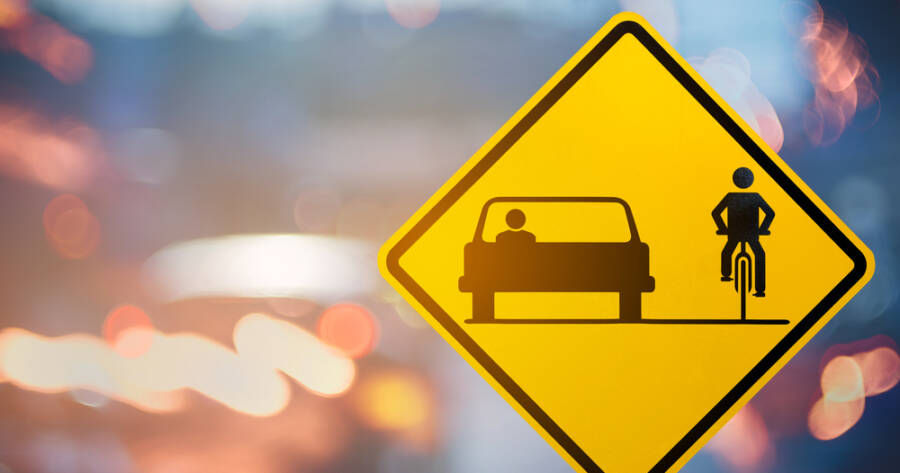
Maintaining a generous following distance provides riders with the room they need to maneuver safely. When passing a bicycle, drivers should allow several feet of space whenever possible. A safe buffer reduces the risk of startling a rider or creating dangerous airflow that could affect balance.
Pass With Patience and Caution
Passing motorcycles or bicycles requires extra attention. Unlike larger vehicles, riders have little protection from sudden gusts or close passes. Speeding by too quickly can create turbulence that makes it harder for a rider to maintain control.
Drivers should only pass when there is enough space and visibility to do so safely. Slowing down slightly before passing allows more control and helps maintain a safe distance. Waiting for a clear opportunity to pass protects both the rider and surrounding traffic from unnecessary risk.
Be Extra Careful at Intersections
Intersections are one of the most common locations for crashes involving motorcycles and bicycles. Drivers turning left or right may fail to notice a rider approaching from the side or traveling straight through the intersection.
Approaching intersections slowly and scanning carefully for all road users improves safety. Riders may also approach from bike lanes or between lanes of traffic, making them less visible at first glance. Treating motorcycles and bicycles with the same attention given to other vehicles helps prevent dangerous conflicts at crossings.
Watch for Riders When Parking or Opening Doors
Road safety continues even after a vehicle has stopped. Cyclists often travel near parked cars, especially along streets with bike lanes or curbside parking. Opening a car door suddenly into a cyclist’s path can cause a serious crash.
Drivers and passengers should always check mirrors and look over their shoulders before opening a door. This simple habit helps prevent accidents known as “dooring,” where a cyclist collides with an unexpectedly opened door. Remaining aware of riders even while parked supports safer streets for everyone.
Building Safer Habits on Shared Roads
Roadways are shared spaces used by vehicles of many different sizes and speeds. Motorcycles and bicycles add diversity to traffic, but also require extra awareness from drivers. Respectful driving habits and thoughtful decision-making can prevent many common accidents.
Patience, awareness, and proper spacing go a long way toward improving safety. By paying attention to smaller vehicles and anticipating their movements, drivers help create a more cooperative environment on the road. A few simple precautions can make travel safer for riders, drivers, and pedestrians alike.