
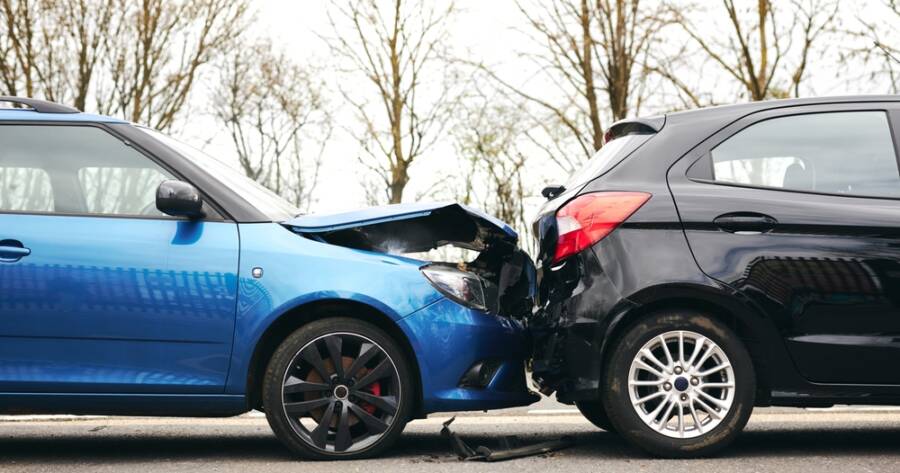
A car accident can happen suddenly and leave drivers feeling shaken and unsure about what to do next. Even a minor collision can create confusion, especially when traffic is moving around the scene. Staying calm and responding carefully helps protect everyone involved and makes it easier to handle insurance and legal requirements later. Taking the right steps immediately after a crash can reduce risks, document important details, and help ensure that the situation is handled safely and responsibly.
Stay Calm and Check for Injuries
The first priority after any accident is the safety of everyone involved. Take a moment to breathe and assess the situation before doing anything else. Check yourself for injuries and then look to see whether passengers or others nearby may need medical attention.
If anyone appears injured, call emergency services right away or ask someone nearby to do so. Avoid moving a seriously injured person unless there is immediate danger, such as a fire or leaking fuel. Remaining calm allows you to make clearer decisions during a stressful moment and ensures that medical help arrives as quickly as possible if needed.
Move to a Safe Location If Possible
Traffic can pose additional danger after a collision, especially on busy roads or highways. If vehicles involved in the accident are still operable, carefully move them to the shoulder, a nearby parking lot, or another safe location away from traffic.
Turn on hazard lights to alert other drivers and reduce the risk of further collisions. If the vehicle cannot be moved safely, leave it where it is and move yourself and passengers away from the roadway. Standing in a secure location helps prevent additional injuries while waiting for help or for authorities to arrive.
Contact Emergency Services or Local Authorities
Calling emergency services is often an important step after an accident. Police officers can document the incident, direct traffic, and assist with reporting requirements. In many areas, accidents involving injuries or significant damage must be reported to authorities.
When contacting emergency services, provide clear information about the location and the number of vehicles involved. Even when damage appears minor, an official report can be valuable later when filing insurance claims. Having law enforcement document the scene also helps clarify what happened during the incident.
Exchange Information With the Other Driver
Once everyone is safe, drivers involved in the accident should exchange basic information. Important details include names, phone numbers, driver’s license numbers, vehicle registration information, and insurance company details.
It is important to remain calm and respectful during this exchange. Avoid discussing who may be at fault or making statements that could complicate an insurance claim. Determining responsibility is typically handled later by insurance adjusters or authorities reviewing the incident. Keeping the conversation focused on factual information helps ensure the process moves smoothly.
Document the Scene and Gather Evidence
Recording details at the accident scene can be extremely helpful when dealing with insurance companies later. Taking photographs of the vehicles, the surrounding area, the road conditions, and visible damage creates a visual record of what occurred.
It is also helpful to note important details such as the date, time, weather conditions, and location of the accident. If witnesses are present, politely ask for their names and contact information. Accurate documentation helps create a clear picture of the incident and can support your version of events during the claims process.
Notify Your Insurance Company Promptly
Contacting your insurance provider soon after an accident allows the claims process to begin quickly. Insurance representatives can explain what information is needed and guide you through the next steps.
Even if the damage appears minor, reporting the incident ensures that any future complications are properly handled. Insurance companies often request photos, contact details, and police reports when reviewing a claim. Prompt communication helps prevent delays and makes it easier to repair or replace damaged vehicles.
Taking Control of a Stressful Situation
Car accidents can be unsettling, but taking calm and organized action helps bring order to a chaotic moment. Checking for injuries, moving to safety, and contacting authorities ensures that everyone involved receives proper care and assistance.
Careful documentation and communication with insurance providers also protect drivers from potential disputes later. By following responsible steps after a collision, drivers can focus on recovery, vehicle repairs, and returning to normal routines with greater peace of mind.