
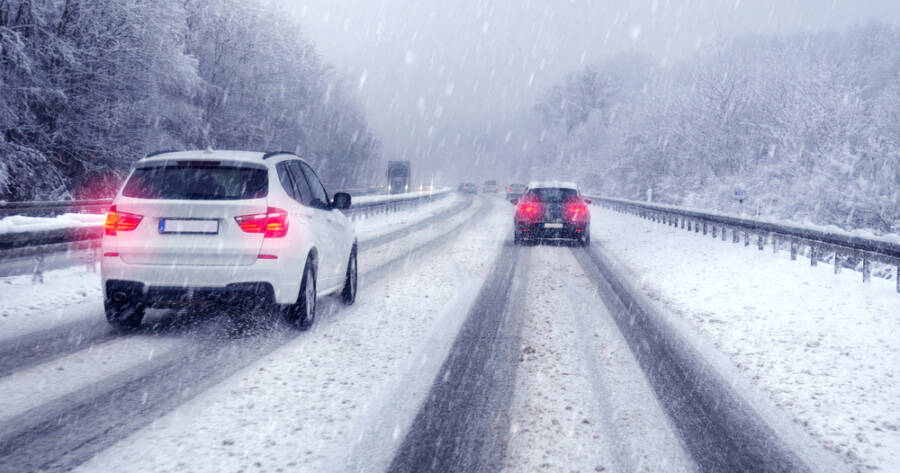
Snow-covered roads and icy intersections can turn routine drives into serious challenges. Winter weather changes how vehicles accelerate, turn, and stop, often reducing traction without warning. Even experienced drivers must adjust their habits when temperatures drop and pavement becomes slippery. Staying safe in winter conditions requires patience, awareness, and smooth driving techniques. Fortunately, a few thoughtful adjustments behind the wheel can make a significant difference when navigating snow, ice, and freezing temperatures.
Slow Down and Drive Smoothly
Reduced traction is the biggest challenge when driving in snow or icy conditions. Tires struggle to grip slippery pavement, which makes sudden movements far more likely to cause a skid. Slowing down is one of the most effective ways to maintain control because it allows the tires more time to grip the surface beneath them.
Smooth driving is just as important as reducing speed. Gentle acceleration, gradual braking, and steady steering help maintain balance and traction. Abrupt inputs can easily break the tires’ grip and send the vehicle sliding. Imagine there is a full cup of hot coffee sitting on the dashboard, and drive carefully enough to keep it from spilling.
Increase Your Following Distance
Stopping distances increase dramatically on snowy or icy roads. A vehicle that might stop quickly on dry pavement may need two or three times as much space to slow down safely in winter conditions. Leaving more room between vehicles creates valuable reaction time if traffic suddenly slows.
A good rule of thumb is to extend the following distance to five or six seconds in winter weather. This extra buffer allows for gentle braking rather than sudden stops. Keeping a larger gap also helps improve visibility because blowing snow or road spray from the vehicle ahead can make it harder to see hazards further down the road.
Understand How to Handle a Skid
Even cautious drivers can encounter slippery patches during winter travel. If the vehicle begins to skid, the most important response is to stay calm and avoid overreacting. Panic braking or sharp steering can make the situation worse by causing the tires to lose even more traction.
Instead, ease off the accelerator and gently steer in the direction you want the front of the car to go. Keeping your eyes focused on the desired path helps guide the vehicle back into alignment as traction returns. Once the tires regain grip, slowly resume normal steering and braking inputs while continuing at a reduced speed.
Use Your Brakes Correctly on Snow and Ice
Braking technique becomes especially important during winter driving. Vehicles equipped with anti-lock braking systems (ABS) allow drivers to apply firm, steady pressure to the brake pedal while maintaining steering control. The system rapidly pulses the brakes to prevent the wheels from locking up.
Drivers without ABS should use gentle, controlled braking instead of slamming the pedal. Hard braking can lock the wheels and cause the vehicle to slide across the road. Applying gradual pressure helps maintain traction and gives the tires the best chance to slow the vehicle safely without losing control.
Prepare Your Vehicle Before Winter Trips
Vehicle preparation plays a critical role in winter safety. Tires with adequate tread are essential for maintaining grip on snow and ice. Many drivers choose winter tires because they provide better traction in cold conditions than standard all-season tires.
It is also helpful to keep essential emergency supplies in the vehicle during the winter months. Items such as an ice scraper, snow brush, flashlight, jumper cables, blankets, and extra food or water can be valuable if travel becomes delayed. Preparing the vehicle before heading out reduces stress and helps ensure drivers are ready for unexpected situations.
Plan Ahead and Watch the Road Carefully
Winter driving requires more awareness and anticipation than driving in dry weather. Looking further down the road allows drivers to identify potential hazards early, such as icy intersections, slushy patches, or slow-moving traffic. Recognizing changing conditions helps drivers adjust speed and steering before problems develop.
Checking weather reports before leaving can also prevent unnecessary risks. If severe winter storms are expected, postponing travel may be the safest choice. When driving is unavoidable, choosing well-maintained roads and allowing extra travel time can reduce pressure and make winter trips more manageable.
Staying Calm and Confident on Winter Roads
Driving in winter conditions becomes much safer when patience replaces urgency. Slower speeds, increased following distance, and smooth vehicle control allow drivers to respond calmly to changing road conditions. Each of these habits helps maintain traction and prevent sudden loss of control.
Preparation and awareness also play a major role in winter safety. Monitoring weather conditions, maintaining the vehicle properly, and carrying emergency supplies all contribute to safer travel. With the right mindset and a careful approach behind the wheel, drivers can navigate winter roads with greater confidence and reduced risk.