

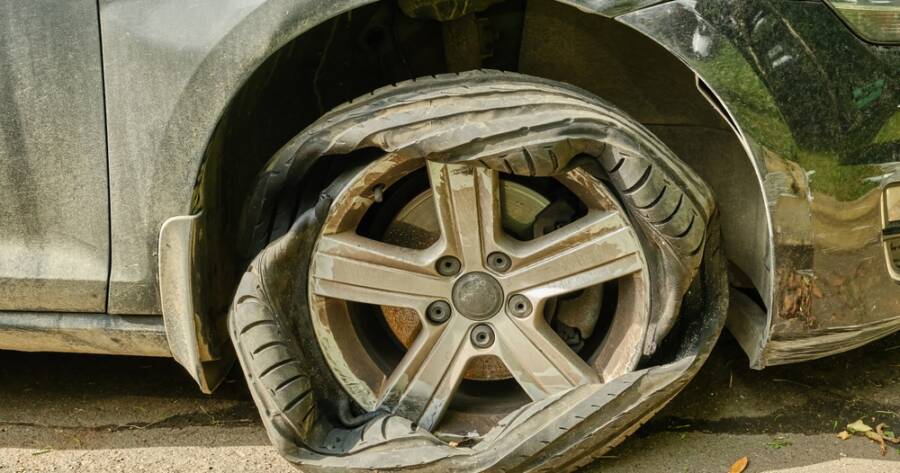
A sudden tire blowout can turn an ordinary drive into a frightening situation within seconds. The loud noise, unexpected vibrations, and sudden change in handling can catch even experienced drivers off guard. Knowing how to respond can make a major difference in maintaining control and avoiding an accident. While tire blowouts aren’t everyday occurrences, they can happen without much warning. Understanding the right steps to take, along with common mistakes to avoid, can help you stay safer when a tire fails unexpectedly on the road.
Recognize the Signs of a Tire Blowout
A tire blowout often happens suddenly, sometimes accompanied by a loud bang or popping sound. You may immediately feel the steering wheel pull toward one side, notice strong vibrations, or hear a repeated flapping noise as the damaged tire strikes the pavement. The vehicle may also feel unstable or difficult to steer. A front tire failure typically affects steering more noticeably, while a rear tire blowout can make the back of the vehicle feel unsettled.
Not every tire failure produces the same symptoms, so pay attention to any sudden change in handling. The important thing is recognizing that something has gone wrong without panicking or making abrupt movements. Keep your eyes focused on the road ahead and maintain a firm grip on the steering wheel. Your first priority isn’t identifying which tire failed. It’s keeping the vehicle under control long enough to slow down and reach a safe stopping location.
Keep a Firm Grip on the Steering Wheel
When a tire blows out, your vehicle may suddenly pull toward the side of the damaged tire. The unexpected movement can make drivers instinctively jerk the steering wheel in the opposite direction. However, overcorrecting can make the vehicle harder to control and increase the risk of swerving into another lane. Instead, hold the steering wheel firmly with both hands and concentrate on keeping the vehicle traveling in a straight, predictable path.
Avoid making sharp turns or sudden steering adjustments, even if the vehicle feels unstable. Small, controlled corrections are generally safer than aggressive movements. If you’re driving on a highway, resist the urge to immediately steer toward the shoulder while traveling at full speed. Focus on maintaining your lane until the vehicle has slowed enough for a controlled maneuver. Staying calm and keeping the steering steady gives you a better chance of managing the sudden loss of tire pressure.
Avoid Slamming on the Brakes
One of the most dangerous reactions to a tire blowout is immediately slamming on the brakes. Hard braking can shift the vehicle’s weight suddenly and make an already unstable situation more difficult to manage. Depending on which tire failed, the vehicle may pull harder or become more difficult to steer. Although your instinct might be to stop as quickly as possible, controlled deceleration is usually the safer approach.
Keep the vehicle pointed straight and avoid abrupt braking. If necessary to maintain stability, gently maintain or briefly apply accelerator pressure rather than suddenly lifting off the pedal. Once the vehicle is stable, ease off the accelerator and allow it to slow gradually. As your speed decreases and the vehicle remains under control, apply the brakes gently if needed. Avoid sudden pedal movements that could upset the vehicle’s balance. Your goal is to reduce speed smoothly while maintaining enough control to move toward a safe stopping area.
Move Toward a Safe Stopping Location
Once your vehicle has slowed and you feel confident maintaining control, begin looking for a safe place to pull over. On highways, a wide shoulder, rest area, or nearby exit may provide a suitable stopping location. Avoid stopping in an active traffic lane unless the vehicle can no longer move safely. Check your mirrors, signal your intentions when possible, and make gradual steering adjustments as you move away from traffic.
After stopping, activate your hazard lights to alert approaching drivers. If you’re on a busy highway, remain aware of passing traffic and avoid standing beside the vehicle where another car could strike you. Depending on your location, remaining inside with your seat belt fastened may be safer than exiting. If you can reach a protected area away from traffic without putting yourself at risk, follow local safety guidance. Never attempt to change a tire beside fast-moving traffic when there isn’t enough room to work safely.
Know What to Do After the Vehicle Stops
After reaching a safe stopping location, take a moment to assess the situation before leaving the vehicle. Check whether the damaged tire is visible from a safe position, but don’t walk into traffic or crawl beneath the car. A blowout may damage the wheel, nearby body panels, or other components, especially if the vehicle traveled some distance on the failed tire. Continuing to drive could cause additional damage and create another dangerous situation.
If you have a usable spare tire and the vehicle is parked in a secure location, changing the tire may be an option. However, many newer vehicles don’t include traditional spare tires, and some rely on temporary repair kits that aren’t suitable for a severely damaged tire. When conditions are unsafe or you’re unsure about the damage, contact roadside assistance. A tow may be necessary if the wheel or surrounding components have been affected. Don’t resume driving until the vehicle is safe to operate.
Reduce the Risk of Future Tire Blowouts
Although some tire failures happen unexpectedly, proper maintenance can reduce the likelihood of a blowout. Check tire pressure regularly, including before long trips, and follow the manufacturer’s recommended inflation levels listed on the driver’s door jamb or in the owner’s manual. Underinflated tires can generate excessive heat, while overinflation may contribute to uneven wear and reduced impact resistance. Both conditions can affect tire performance and safety.
Inspect your tires for cracks, bulges, cuts, exposed cords, and unusual tread wear. A bulge in the sidewall may indicate internal damage and should be inspected promptly. Rotate tires according to your vehicle manufacturer’s recommendations and replace them when tread wear, age, or damage makes continued use unsafe. Pay attention to your vehicle’s load limits, since excessive weight places additional stress on tires. Regular inspections and proper inflation can help identify developing problems before they lead to sudden tire failure.
Staying Prepared Makes a Difference
A tire blowout can be frightening, but knowing how to respond gives you a better chance of maintaining control. The most important steps are keeping a firm grip on the steering wheel, avoiding sudden braking, slowing down gradually, and moving toward a safe stopping location. Staying focused on smooth, controlled movements can help prevent a tire failure from turning into a more serious accident.
Preparation also matters long before an emergency happens. Regular tire inspections, correct inflation pressure, and attention to unusual wear can reduce the risk of unexpected failures. It’s also worth checking whether your vehicle has a spare tire, repair kit, or roadside assistance coverage before heading out. While no driver can prevent every tire problem, understanding what to do when something goes wrong can make an unexpected roadside emergency much easier to handle.