
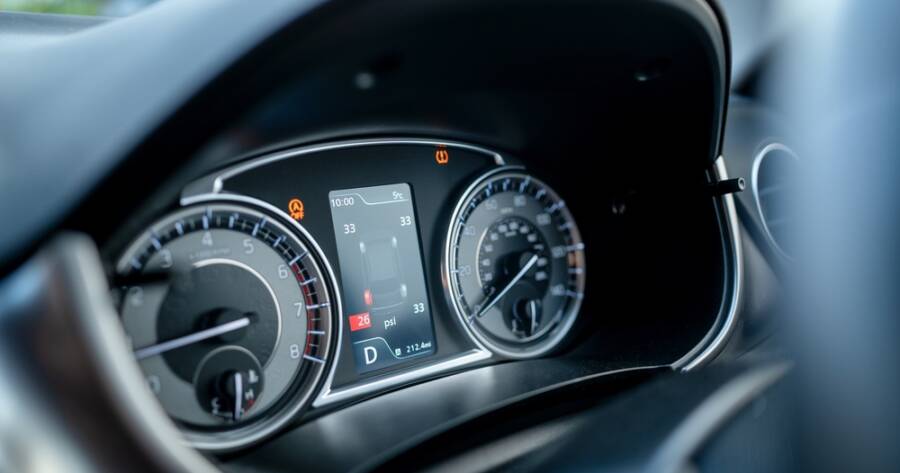
Dashboard warning lights act like a vehicle’s communication system, alerting drivers when something needs attention. Modern cars monitor dozens of systems, from engine performance to tire pressure, and display symbols when something falls outside normal limits. Some alerts simply remind drivers about routine maintenance, while others signal more serious problems that require immediate attention. Recognizing the meaning behind common dashboard lights can help drivers respond quickly, protect vital components, and avoid unnecessary repair bills.
The Check Engine Light and What It Signals
The check engine light is one of the most recognized dashboard warnings. It usually appears as a small engine-shaped icon or a message reading “check engine.” This light connects to the vehicle’s onboard diagnostic system, which monitors engine performance, emissions equipment, and other related components.
Because the system monitors many different parts, the cause can range from minor issues to more serious mechanical problems. A loose gas cap, faulty sensor, or worn spark plug can trigger the warning. A blinking version of the light usually signals a more urgent problem, such as an engine misfire. When this happens, professional diagnostics are recommended to identify the exact cause and prevent further damage.
Oil Pressure Warning and Engine Protection
An oil pressure warning light typically looks like an old-fashioned oil can with a drop of oil coming out of it. This symbol indicates a problem with the engine’s oil pressure system, which is responsible for circulating oil throughout the engine and lubricating moving parts.
Low oil levels, a worn oil pump, or an internal leak can trigger the light. Driving with insufficient oil pressure can quickly lead to serious engine damage because components lose the lubrication needed to prevent overheating and friction. If the oil pressure warning appears while driving, it’s wise to safely pull over and check the oil level before continuing. Ignoring the warning could result in expensive repairs or even engine failure.
Tire Pressure Monitoring System Alerts
The tire pressure monitoring system (TPMS) warning light usually looks like a horseshoe-shaped symbol with an exclamation point inside. This indicator appears when one or more tires are underinflated or occasionally overinflated, which can affect handling, braking performance, and fuel efficiency.
Driving with incorrect tire pressure increases wear on the tires and may raise the risk of a blowout. Many vehicles display the exact pressure of each tire in the dashboard menu, allowing drivers to identify which tire needs attention. Adding air to reach the recommended pressure often turns the light off. If the warning remains illuminated after adjusting tire pressure, a damaged tire or faulty sensor may be the cause.
Battery and Charging System Warnings
The battery warning light resembles the shape of a car battery with plus and minus symbols. Although the symbol points to the battery, it actually signals a potential issue within the entire charging system. That system includes the battery, alternator, wiring, and voltage regulator.
When the light appears while driving, the alternator may not be properly charging the battery. In that case, the vehicle may continue running for a short time but eventually lose electrical power. Headlights, dashboard electronics, and engine systems depend on a stable electrical supply. Having the charging system inspected promptly helps prevent sudden breakdowns and ensures the vehicle continues operating reliably.
Engine Temperature and Overheating Alerts
The engine temperature warning light often appears as a thermometer sitting above wavy lines representing coolant. This alert signals that the engine is running too hot, usually because coolant levels are low or the cooling system is malfunctioning.
Overheating can occur for several reasons, including a leaking radiator hose, a broken water pump, or a clogged radiator. If the temperature warning appears, continuing to drive may cause severe engine damage, such as warped cylinder heads or blown gaskets. Pulling over safely and allowing the engine to cool down is the safest response. Afterward, a professional inspection can determine the underlying cause and prevent future overheating.
Brake System and ABS Warning Lights
Brake-related warnings are among the most important dashboard alerts. A brake system warning light may appear as a circle with an exclamation mark or the word “BRAKE.” Sometimes it simply indicates that the parking brake is still engaged, but it may also point to low brake fluid or worn braking components.
Another related alert is the anti-lock braking system (ABS) warning light. This system prevents wheels from locking during hard braking and helps maintain steering control. When the ABS light remains illuminated, the standard braking system may still work, but the anti-lock feature could be disabled. Prompt inspection ensures that full braking performance remains available during sudden stops or slippery road conditions.
Reading Dashboard Signals With Confidence
Dashboard warning lights exist to provide early notice of potential issues. Some alerts signal minor maintenance needs, while others require immediate attention to protect important mechanical systems. Recognizing the difference between a reminder and a serious warning can make a significant difference in vehicle safety and repair costs.
Drivers who become familiar with common dashboard symbols can respond calmly and appropriately when a light appears. A quick check of the owner’s manual or a diagnostic inspection often reveals the cause. Paying attention to those small illuminated icons helps keep a vehicle running smoothly while preventing larger problems from developing over time.