
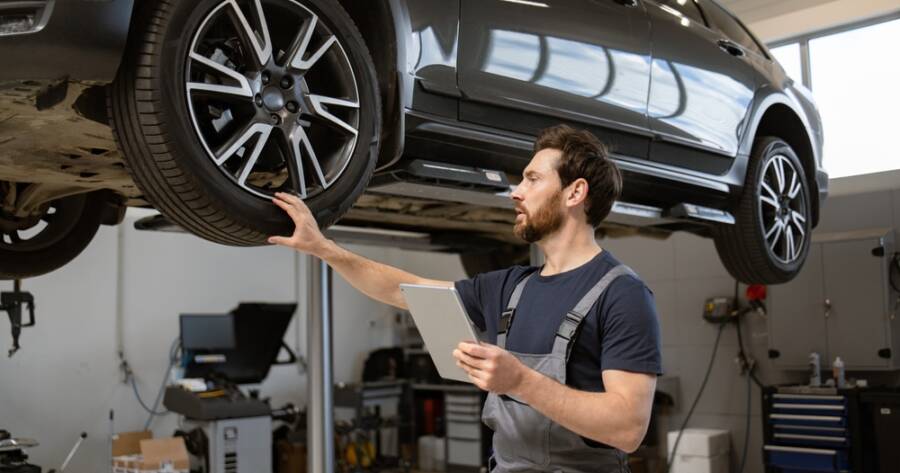
Tires quietly handle enormous responsibility every time a vehicle moves. They support the vehicle’s weight, maintain traction on the road, and help control braking and steering. Because tires are the only part of a car that touches the pavement, their condition directly affects safety and performance. Simple maintenance habits can dramatically extend tire life while improving fuel efficiency and handling. Paying attention to tire care keeps driving smoother, safer, and far less expensive over time.
Keep Tire Pressure at the Proper Level
Maintaining the correct tire pressure is one of the most important parts of tire care. Underinflated tires create extra friction with the road, causing the rubber to wear faster and generate excessive heat. That additional heat can weaken the tire’s internal structure and increase the risk of a blowout during driving.
Proper inflation also improves fuel efficiency and vehicle handling. Tires naturally lose a small amount of air over time, and temperature changes can affect pressure as well. Checking pressure at least once a month helps ensure tires stay within the recommended range. The correct pressure level is usually listed on a label inside the driver’s door frame or in the owner’s manual.
Rotate Tires to Promote Even Wear
Tire rotation plays a key role in extending tire lifespan. On most vehicles, certain wheels handle more of the workload than others. For example, front-wheel-drive vehicles place extra stress on the front tires because they handle both steering and acceleration.
Rotating the tires periodically moves them to different positions on the vehicle, allowing each tire to wear more evenly. This simple process prevents excessive wear on one set of tires while others remain in better condition. Many experts recommend rotating tires every 5,000 to 8,000 miles. Regular rotation helps maintain balanced traction and ensures drivers get the most mileage from every set of tires.
Balance Wheels to Prevent Vibration
Even a small imbalance in a tire and wheel assembly can lead to noticeable vibration during driving. When wheels are unbalanced, the tire may bounce slightly as it rotates. Over time, this vibration causes uneven tread wear and can make the vehicle feel less stable at higher speeds.
Wheel balancing involves adding small weights to the wheel to distribute its mass evenly. This adjustment allows the tire to rotate smoothly without shaking or wobbling. Balancing is often performed during tire installation or rotation appointments. Keeping wheels properly balanced improves ride comfort and helps tires wear more evenly throughout their lifespan.
Check Wheel Alignment Regularly
Wheel alignment refers to how the tires are positioned relative to the road and to each other. If the alignment is off, the tires may point slightly inward or outward, which can cause rapid and uneven tread wear. Even minor misalignment can shorten tire life significantly.
Drivers might notice alignment issues if the vehicle pulls to one side, the steering wheel sits off-center, or the tires show unusual wear patterns. Potholes, curb impacts, and rough roads can gradually knock wheels out of alignment. Having alignment checked periodically helps maintain proper tire angles and ensures the vehicle tracks straight and handles predictably.
Inspect Tread Wear and Tire Condition
Regular visual inspections can reveal early warning signs of tire problems. Uneven tread wear, cracks in the rubber, bulges along the sidewall, or embedded debris may signal potential issues that require attention. Identifying problems early often prevents more serious tire failures later.
Tread depth is especially important for maintaining traction in wet conditions. As tires wear down, their ability to channel water away from the contact surface decreases. Reduced tread depth increases the risk of hydroplaning on wet roads. Checking tread wear occasionally ensures the tires still provide adequate grip and safe braking performance in different driving conditions.
Drive in Ways That Reduce Tire Wear
Driving habits have a major influence on tire lifespan. Hard braking, aggressive acceleration, and sharp cornering place extra stress on the tire surface. Over time, those habits wear down the tread more quickly and reduce the tire’s overall durability.
Smooth and steady driving helps tires last longer. Gradual braking, controlled acceleration, and maintaining safe speeds all reduce unnecessary strain on the rubber. Avoiding excessive tire spinning when stuck in mud, snow, or sand also prevents damage to the tire structure. Thoughtful driving not only extends tire life but also improves fuel economy and vehicle control.
Small Tire Habits That Deliver Big Safety Benefits
Consistent tire maintenance plays a vital role in keeping vehicles safe on the road. Proper inflation, regular rotations, and periodic inspections ensure that tires perform as designed. Drivers who make tire care part of routine vehicle maintenance often experience smoother rides and better fuel efficiency.
Taking a few minutes each month to check tire pressure or examine tread condition can prevent costly problems later. Tires that receive proper care last longer, grip the road more effectively, and contribute to safer braking and steering performance. Maintaining healthy tires ultimately protects both the vehicle and everyone traveling inside it.