
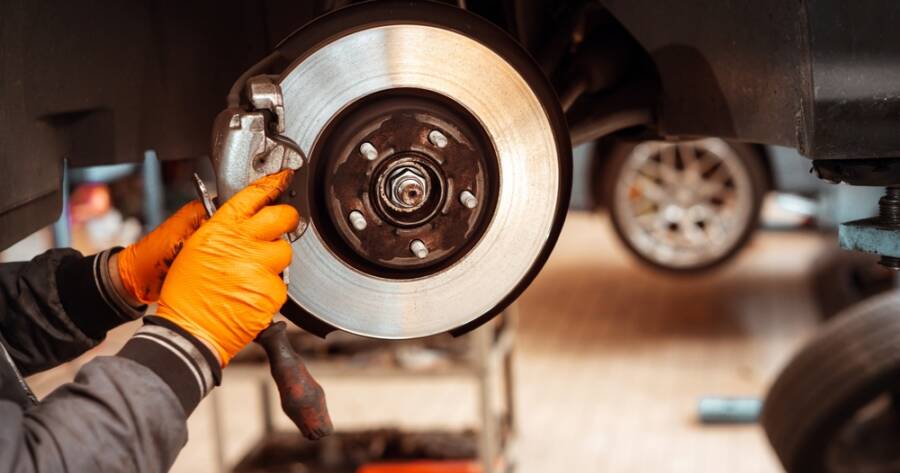
Stopping power is something drivers rely on every time they press the brake pedal, yet brake pads quietly wear down with each trip. Every stop creates friction that slowly removes material from the pads. Over time, that protective layer becomes thinner until it can no longer safely grip the brake rotors. Recognizing the signs of worn brake pads early helps maintain reliable stopping performance and prevents damage to other components in the braking system.
How Long Brake Pads Typically Last
Brake pads are designed to wear gradually as part of normal vehicle operation. Most pads last somewhere between 30,000 and 70,000 miles, though the exact lifespan depends heavily on driving habits, vehicle weight, and road conditions. Drivers who spend more time in stop-and-go traffic often experience faster wear than those who primarily drive on highways.
Driving style also plays a significant role. Frequent hard braking places more stress on the pads and can shorten their lifespan considerably. Environmental factors such as mountainous terrain, heavy cargo loads, and extreme weather conditions may also increase brake wear. Regular inspections during routine maintenance help identify worn pads before they begin affecting braking performance or causing damage to other components.
High-Pitched Squealing or Grinding Sounds
Unusual noises during braking are often the first noticeable sign that brake pads are wearing out. Many pads include a small metal wear indicator designed to create a squealing sound when the pad material becomes thin. That sound acts as an early alert that replacement is approaching.
If the noise progresses into a harsh grinding sound, the situation becomes more serious. Grinding usually means the brake pad material has worn away completely, allowing metal components to rub directly against the rotor. Driving in this condition can damage rotors and increase repair costs significantly. Addressing squealing or grinding noises quickly can prevent more extensive and expensive brake system repairs.
Vibrations or Pulsation When Braking
A vibrating brake pedal or steering wheel during braking can indicate uneven brake pad wear or warped rotors. When pads wear unevenly, they may not make smooth contact with the rotor surface. This uneven contact can produce noticeable vibrations each time the brakes are applied.
Pulsation may also develop when rotors become distorted from excessive heat. Worn brake pads can contribute to this issue because they generate more heat during braking. While vibrations do not always mean pads need immediate replacement, they should prompt a professional inspection. Ignoring the problem could lead to reduced braking performance and additional damage to rotors or other braking components.
Longer Stopping Distances
Brake pads work by pressing firmly against rotors to slow the vehicle. When pads become thin, the braking system loses some of its ability to generate the friction needed for quick stops. One of the most noticeable effects is a vehicle that takes longer to come to a complete stop.
Drivers may also notice that more pressure is required on the brake pedal to achieve the same braking response. Any increase in stopping distance should be taken seriously because it directly affects driving safety. A braking system that struggles to slow the vehicle efficiently often indicates worn brake pads or another underlying issue requiring prompt attention.
Visible Wear and Excess Brake Dust
In many vehicles, brake pads can be seen through the openings in the wheel spokes. A quick visual inspection may reveal how much friction material remains. If the pad thickness appears less than about one-quarter of an inch, replacement is usually recommended.
Another visible sign is excessive brake dust accumulating on the wheels. Brake dust is produced as the pads wear down. While some dust is normal, a sudden increase may indicate the pads are nearing the end of their usable life. Checking pad thickness periodically helps prevent surprises and ensures the braking system continues operating at peak performance.
Vehicle Pulling to One Side While Braking
A vehicle that pulls to one side when braking may indicate uneven brake pad wear or a sticking brake caliper. When pads wear differently on each side of the vehicle, the braking force becomes uneven. This imbalance can cause the vehicle to drift or pull slightly when the brakes are applied.
While several factors can cause pulling during braking, worn pads are a common contributor. Uneven wear may also signal that other components in the braking system require adjustment or repair. Addressing the issue early helps restore balanced braking performance and prevents further strain on suspension and steering components.
Keeping Your Brakes Reliable for the Road Ahead
Brake pads play a vital role in keeping drivers and passengers safe. Monitoring mileage and watching for warning signs such as unusual noises, vibrations, or longer stopping distances helps prevent unexpected brake problems. Regular inspections ensure worn pads are replaced before they affect other parts of the braking system.
Drivers can also extend brake pad life with a few simple habits. Gradual braking, maintaining safe following distances, and avoiding sudden stops reduce unnecessary wear. Keeping excess weight out of the vehicle and anticipating traffic conditions also helps minimize strain on the braking system. Thoughtful driving combined with routine maintenance keeps brakes performing reliably for thousands of miles.