
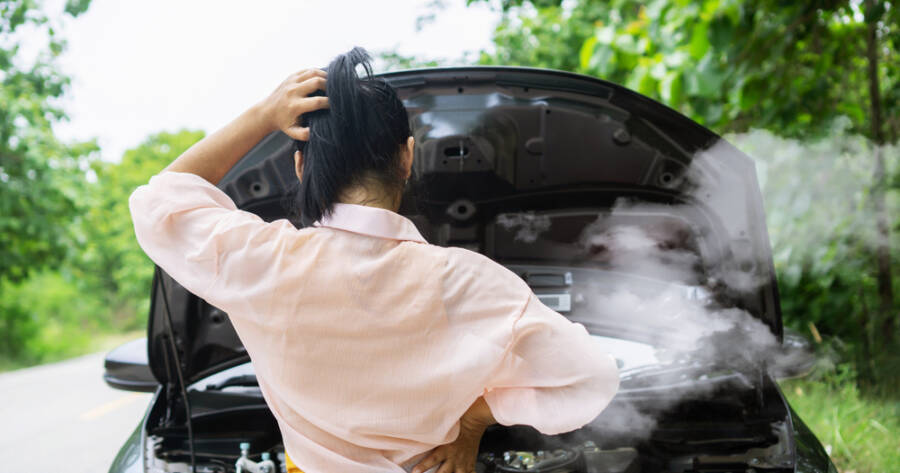
An overheating engine can turn an ordinary drive into a stressful situation within minutes. Modern vehicles rely on carefully balanced cooling systems to keep engine temperatures within a safe range. When something interrupts that balance, heat can rise quickly and cause serious mechanical damage. Recognizing early warning signs and knowing the right steps to take can help protect the engine, prevent costly repairs, and keep everyone inside the vehicle safe during an unexpected roadside problem.
Recognize the Early Signs of Overheating
Engines often provide warning signals before overheating becomes severe. One of the most obvious indicators is the temperature gauge rising toward the red zone or a dashboard warning light turning on. Steam coming from under the hood can also signal that the cooling system is struggling to control engine heat.
Other clues may appear before visible steam. A sweet smell near the engine compartment could indicate leaking coolant, also known as antifreeze. Drivers might also notice reduced engine performance or unusual sounds while driving. Paying attention to changes in temperature readings or unfamiliar smells can provide valuable time to react before the engine reaches dangerously high temperatures.
Turn Off the Air Conditioning and Reduce Engine Load
Once overheating becomes apparent, reducing the engine’s workload can help prevent temperatures from rising further. Turning off the air conditioning is an important first step because the system adds extra strain on the engine and cooling system.
In some situations, switching the vehicle’s heater to the highest setting may help draw heat away from the engine. Although this can make the cabin uncomfortable, it redirects heat from the engine compartment through the heating system. Reducing speed and avoiding hard acceleration can also lower stress on the engine while searching for a safe place to stop the vehicle.
Safely Pull Over and Shut Off the Engine
Continuing to drive with an overheating engine can quickly lead to major mechanical damage. As soon as it is safe to do so, pulling over to the side of the road is the best course of action. Parking in a safe area away from traffic helps protect both the driver and the vehicle.
Once stopped, turning off the engine allows temperatures to begin dropping. Leaving the engine running may continue generating heat and worsen the situation. Drivers should remain calm and avoid rushing into the next step. Giving the engine time to cool naturally helps reduce the risk of further damage and prevents dangerous contact with extremely hot components.
Allow the Engine Time to Cool Down
Engines that have overheated require time to cool before any inspection can safely take place. Opening the hood immediately after stopping can be dangerous because coolant and engine components may still be extremely hot and under pressure.
Waiting at least 15 to 30 minutes allows internal temperatures to fall closer to normal levels. Monitoring the temperature gauge can help determine when the engine has cooled enough for further inspection. Patience during this step is essential. Attempting to check components too soon could result in burns or exposure to hot steam escaping from the cooling system.
Check Coolant Levels After Cooling
Once the engine has cooled completely, it may be possible to inspect the coolant reservoir. The coolant tank is usually a semi-transparent container near the radiator. Fluid levels should fall between the indicated minimum and maximum lines.
If the coolant level appears low, adding the correct coolant mixture may help stabilize engine temperature long enough to reach a repair facility. Drivers should always consult the owner’s manual to confirm the appropriate coolant type. If coolant is unavailable, clean water can sometimes serve as a temporary solution until proper coolant is added later. However, repeated overheating usually signals a deeper mechanical issue that requires professional attention.
Call for Assistance and Avoid Risky Driving
In many situations, the safest decision is to contact roadside assistance or a tow service. Driving with a compromised cooling system can cause serious damage to engine components such as gaskets, hoses, or cylinder heads.
If the engine appears to cool and restart normally, driving only a short distance to the nearest repair shop may be possible. During that trip, keeping a close eye on the temperature gauge is critical. If the gauge begins rising again, stopping immediately helps prevent further damage. Professional diagnostics can identify the underlying cause and restore the cooling system to proper operation.
Protecting Your Engine From Future Overheating
Preventing overheating often begins with routine vehicle maintenance. Checking coolant levels periodically and inspecting hoses, belts, and radiator components can reveal problems before they escalate into roadside emergencies. A properly maintained cooling system keeps engine temperatures stable during everyday driving conditions.
Carrying extra coolant or water in the trunk can also be helpful during long trips. Paying attention to dashboard gauges and warning lights provides early notice when temperatures begin rising. Consistent maintenance and careful observation give drivers a better chance of avoiding overheating problems and protecting the engine for years of reliable performance.