
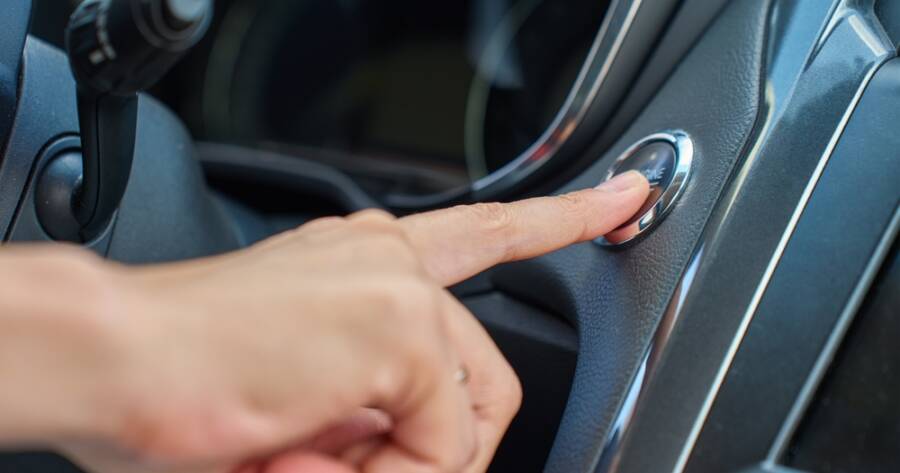
A car that won’t start has a special talent for happening at the worst possible moments. Before frustration takes over, it helps to treat the problem like a quick puzzle: What sounds does the car make, what lights come on, and what changed since the last drive? A few fast checks can narrow the cause in minutes and help you decide whether a simple fix, a jump, or a tow is the safest next move.
The Battery Is Dead or Weak
A weak battery is the most common reason a car won’t start, especially if you hear rapid clicking, a single click, or nothing at all when turning the key. Look for dim interior lights, a dashboard that barely wakes up, or electronics that flicker. Pop the hood and check the battery terminals for crusty corrosion or loose cables, which can block power even if the battery still has some charge.
If you have jumper cables or a jump pack, a jump-start is a reasonable first test. If the car starts, drive to a parts store or repair shop for a battery/charging check instead of shutting it off right away. If the battery case is swollen or you notice a rotten-egg sulfur smell, avoid jump-starting and call for roadside help.
The Alternator Isn’t Charging the System
If the battery keeps dying (even after being jumped or replaced), the alternator may not be doing its job. The alternator recharges the battery while the engine runs and powers key electronics, so failure can show up as dim or flickering headlights, a weak stereo, or a battery-shaped warning light on the dash. You might also notice a burning rubber or electrical smell, or whining/grinding noises from under the hood.
A quick clue is timing: if the car starts with a jump but dies soon after, charging is suspect. If you have a multimeter, a healthy system often reads around 13.8–14.2 volts while running. Without tools, the safest move is to limit driving and head straight to a shop for testing, or request a tow if the vehicle stalls or won’t stay running.
The Starter Is Failing
When the starter is the problem, the battery may seem fine, meaning the dash lights are bright, but the engine won’t crank normally. You might hear a single loud click, repeated clicks, or a labored, slow crank that doesn’t turn the engine over. Sometimes, starting becomes inconsistent for days or weeks, then suddenly the starter gives up completely.
A quick check is to watch the lights while attempting to start. If the lights stay strong but the engine doesn’t crank, the starter circuit becomes more likely. If the lights dramatically dim with each attempt, battery or cable issues move back to the top. Starter replacement usually isn’t a curbside fix because access can be tight, and diagnosis matters, so this is a good point to stop repeated attempts and arrange service to prevent overheating wiring or draining the battery further.
The Ignition Switch, Key, or Steering Lock Is the Culprit
If the key won’t turn, the steering wheel feels locked, or accessories don’t power on in the “On” position, the ignition switch or steering lock may be interfering. A worn key can also cause odd behavior, especially if it no longer turns smoothly. Some vehicles may show intermittent starting (fine one moment, dead the next) when an ignition switch is failing.
Try a gentle steering-wheel wiggle while turning the key, since a loaded steering lock can jam the ignition. If you have a spare key, test it. For push-button starts, check for “key not detected” messages and try the manufacturer’s backup method, such as holding the fob close to the start button or placing it in a designated slot. If nothing changes and the car remains unresponsive, avoid forcing the key or button and call for professional help.
Fuel Problems: Empty Tank, Clogged Filter, or Fuel Pump Relay
It sounds too simple, but low fuel still strands drivers, especially when a gauge is inaccurate, or the tank was left near empty for “just one more trip.” If the engine cranks strongly but won’t fire, think fuel delivery. Sputtering right before the no-start, longer cranking than usual, or a sudden stall can point toward fuel starvation.
A quick check is to confirm fuel level and add a small amount if you’re unsure. Next, listen for a faint hum from the fuel pump when the key is turned to “On” (not Start). No hum doesn’t prove failure, but it’s a useful clue. Fuel pump relays and fuses can also cause a crank-no-start, and swapping a relay with a matching one (only if you know what you’re doing) can be a fast test. Persistent fuel issues belong in a shop for proper pressure and electrical diagnosis.
Small Electrical and Safety Interlocks That Stop Starting
Modern vehicles have safety interlocks that prevent starting in certain conditions, and small electrical faults can shut down a critical circuit. First, confirm an automatic transmission is fully in Park, then try Neutral as a backup test. If the car starts in Neutral but not Park, a neutral safety switch or shifter adjustment may be involved. For manuals, confirm the clutch is fully depressed, and the car is truly in neutral.
Also consider blown fuses, loose ground cables, or heavy corrosion at battery connections. If the dash powers up but the starter won’t engage, a bad ground can mimic bigger failures. Look for loose or crusty cable ends, especially at the ground connection to the body or engine. If you suspect a fuse issue, replace only with the correct amperage. If the same fuse blows again, stop replacing it and get the circuit inspected.
Getting Back on the Road Without Guesswork
A no-start situation gets easier when you match the symptom to the system: clicks and dim lights often point to battery power, strong lights with no crank can suggest starter or interlocks, and strong cranking with no start raises fuel or ignition questions. Start with quick, low-risk checks, like gear position, key/fob recognition, obvious corrosion, and fuel level, then move toward more involved testing only if you have the right tools and confidence.
When in doubt, avoid repeated starting attempts that drain the battery or risk overheating electrical parts. If a jump works, head straight for a battery/charging test. If the car stalls after starting, arrange service instead of pushing your luck. Keeping jumper cables (or a jump pack) and a small flashlight in the trunk turns a stressful surprise into a manageable setback.