

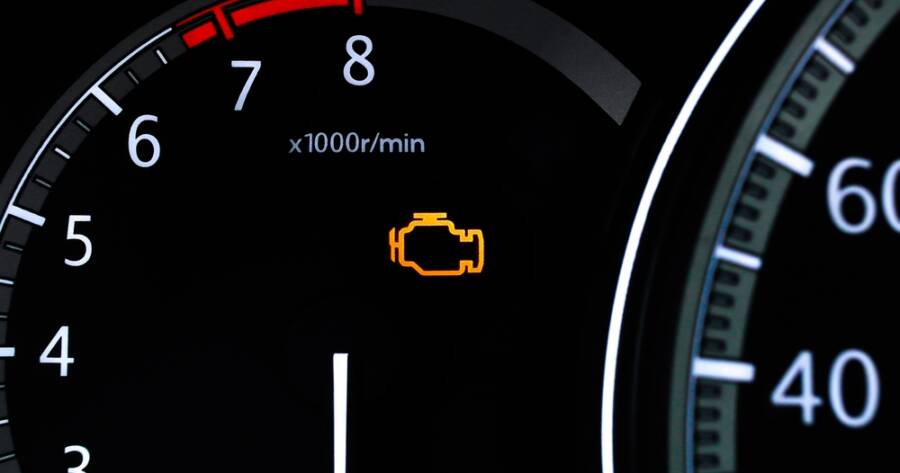
The moment a check engine light appears on the dashboard, it can cause instant concern for any driver. Sometimes the issue is minor, while other times it may signal a more serious problem under the hood. Because modern vehicles rely heavily on sensors and onboard computers, the light can be triggered by a wide range of conditions. Understanding what causes it to turn on and knowing how to respond can help prevent unnecessary stress and avoid costly repairs.
What the Check Engine Light Actually Means
The check engine light is part of your vehicle’s onboard diagnostic system, often referred to as OBD-II. This system continuously monitors engine performance, emissions, and various components to ensure everything is functioning properly.
When the system detects something outside of normal operating conditions, it stores a trouble code and turns on the check engine light. The light itself does not identify the exact issue, but it signals that something requires attention. Problems can range from minor sensor glitches to more serious engine or emissions-related faults, making it important not to ignore the warning.
Common Causes Behind the Warning Light
A check engine light can be triggered by several common issues that many drivers encounter at some point. One of the most frequent causes is a loose or damaged gas cap, which can affect fuel system pressure and trigger a warning.
Other common causes include faulty oxygen sensors, worn spark plugs, or problems with the catalytic converter. Issues with mass airflow sensors or ignition coils can also cause the light to appear. While some of these problems are relatively inexpensive to fix, others may lead to reduced performance or higher repair costs if left unaddressed for too long.
Steady Light vs. Flashing Light
Not all check engine lights indicate the same level of urgency. A steady light typically means there is a non-urgent issue that should be checked soon, but it does not necessarily require immediate action.
A flashing check engine light, however, signals a more serious problem that could cause damage if the vehicle continues to run. This often indicates a misfire that can harm the catalytic converter. In such cases, it is best to reduce speed, avoid heavy acceleration, and seek professional assistance as soon as possible to prevent further damage.
How Diagnostic Codes Help Identify Problems
When the check engine light turns on, the vehicle’s computer stores a diagnostic trouble code that helps identify the issue. Mechanics use specialized scan tools to retrieve these codes and determine the cause of the problem.
Each code corresponds to a specific system or component, such as emissions, fuel delivery, or ignition timing. While the code provides a starting point, further inspection is often needed to pinpoint the exact cause. Reading the code alone does not always tell the full story, but it significantly narrows down the possibilities and speeds up the repair process.
What to Do When the Light Comes On
When the check engine light appears, it is important to stay calm and assess the situation. Start by checking for simple issues, such as ensuring the gas cap is tightened properly, as this can sometimes resolve the problem quickly.
If the light remains on, scheduling a diagnostic check with a mechanic or using a code reader can help identify the cause. Avoid ignoring the warning for long periods, as small issues can develop into more serious problems over time. Taking prompt action can help prevent costly repairs and keep your vehicle running efficiently.
Preventing Future Check Engine Light Issues
Regular maintenance plays a key role in preventing check engine light problems. Keeping up with oil changes, replacing spark plugs, and maintaining proper fluid levels can help ensure your engine runs smoothly.
In addition, paying attention to how your vehicle feels and sounds can help you catch potential issues early. Addressing unusual noises, reduced fuel efficiency, or rough idling before they worsen can reduce the likelihood of triggering a warning light. Preventive care not only improves performance but also helps extend the lifespan of your vehicle.
Staying Informed and Confident Behind the Wheel
A check engine light does not always mean a major repair is needed, but it should never be ignored. Understanding the possible causes and knowing how to respond allows drivers to handle the situation with confidence rather than uncertainty.
By staying proactive with maintenance and addressing issues early, drivers can reduce the chances of unexpected problems. With the right approach, a check engine light becomes less of a mystery and more of a helpful reminder to keep your vehicle in good working condition.