

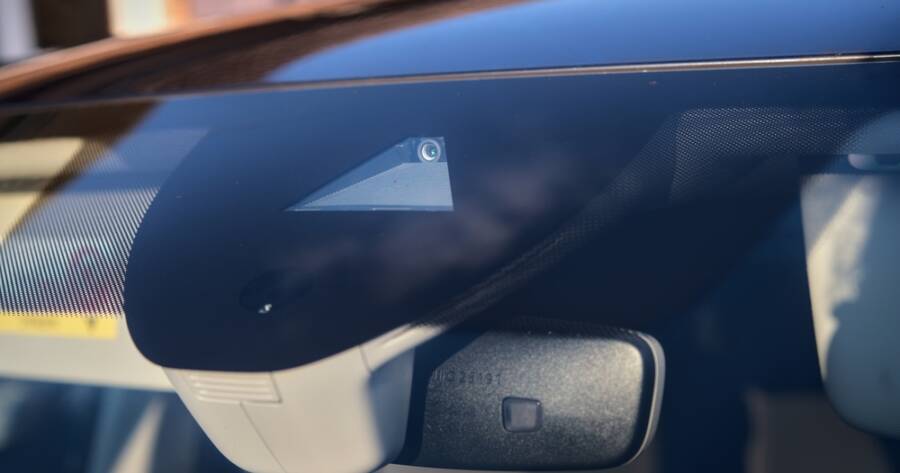
Modern vehicles are becoming increasingly intelligent thanks to advanced sensors and camera technology. Hidden beneath bumpers, mirrors, and windshields, small electronic systems constantly scan the road and the surrounding environment. By analyzing traffic movement, obstacles, and lane markings, a vehicle can warn drivers of potential hazards before they become serious problems. The growing network of detection systems works quietly in the background, improving driver awareness and helping prevent accidents in everyday driving situations.
The Role of Sensors in Modern Vehicle Safety
Sensors serve as the foundation of many modern vehicle safety systems. Installed around the car, they collect information about nearby vehicles, obstacles, and road conditions. Radar sensors are commonly used to measure the speed and distance of objects ahead, while ultrasonic sensors detect nearby obstacles during low-speed maneuvers.
This information allows the vehicle’s computer to track movement around the car in real time. If a nearby object moves too close or a collision risk appears, the system can issue a warning or activate safety features. By constantly monitoring the surrounding environment, sensors provide an extra layer of awareness that helps drivers respond to potential hazards more quickly.
Cameras That Monitor the Road and Surroundings
Cameras are another essential component of modern safety technology. Mounted near the windshield, side mirrors, and rear of the vehicle, cameras capture visual information about the road and nearby traffic. High-resolution imaging allows the system to recognize lane markings, pedestrians, traffic signs, and other vehicles.
The images captured by cameras are processed by onboard computers that analyze what the vehicle is seeing. When the system detects something unusual, such as a pedestrian crossing or a vehicle slowing ahead, it can alert the driver or activate certain safety functions. Camera systems provide detailed visual awareness that helps the vehicle interpret complex driving environments.
Detecting Obstacles and Potential Collisions
One of the most important uses of sensors and cameras is identifying potential collision risks. Systems such as forward collision warning rely on radar and camera data to monitor the road ahead and detect vehicles traveling in the same lane.
If the system determines that the vehicle is approaching another object too quickly, it warns the driver through dashboard alerts, sounds, or vibrations. Some vehicles also include automatic emergency braking that applies the brakes if the driver does not respond quickly enough. By identifying hazards earlier than a driver might notice them, this technology helps reduce the likelihood of serious accidents.
Monitoring Blind Spots and Surrounding Traffic
Blind spots have long been a challenge for drivers, particularly when changing lanes on busy highways. Modern vehicles address this issue using sensors and cameras positioned along the sides and rear of the car.
Blind spot monitoring systems track nearby vehicles that may not be visible in mirrors. When another car enters the blind spot area, the system alerts the driver with a warning light on the side mirror or dashboard. Some systems also provide audible alerts if the driver signals a lane change while another vehicle is present. This additional awareness helps prevent side-impact collisions during lane changes.
Parking Assistance and Low-Speed Protection
Sensors and cameras also play an important role when maneuvering at low speeds. Parking assistance systems rely on ultrasonic sensors placed in the front and rear bumpers to detect objects close to the vehicle.
As the vehicle approaches an obstacle, warning tones increase in frequency to signal decreasing distance. Camera systems often display a live image of the surrounding area, helping drivers navigate tight parking spaces. Some advanced systems even assist with steering during parallel parking. Together, cameras and sensors make parking safer and reduce the risk of minor collisions with curbs, vehicles, or other obstacles.
Integrating Data Through Advanced Software
While sensors and cameras collect the raw information, sophisticated software is responsible for interpreting it. The vehicle’s onboard computer processes data from multiple sources simultaneously, combining radar readings, camera images, and sensor measurements.
By merging this information, the system builds a detailed understanding of the vehicle’s surroundings. This allows safety features such as lane-keeping assistance, adaptive cruise control, and collision avoidance systems to function effectively. The integration of hardware and software enables vehicles to make quick decisions that help prevent dangerous situations before they escalate.
Technology That Helps Drivers Stay Safer on the Road
Sensor and camera technology have dramatically improved vehicle safety over the past decade. By constantly monitoring the environment around the car, modern systems provide valuable warnings and assistance that help drivers avoid accidents.
As automotive technology continues to advance, sensor accuracy and computing power will likely improve even further. Combined with attentive driving habits, this intelligent network of detection systems offers a powerful tool for reducing collisions and making roads safer for everyone.