

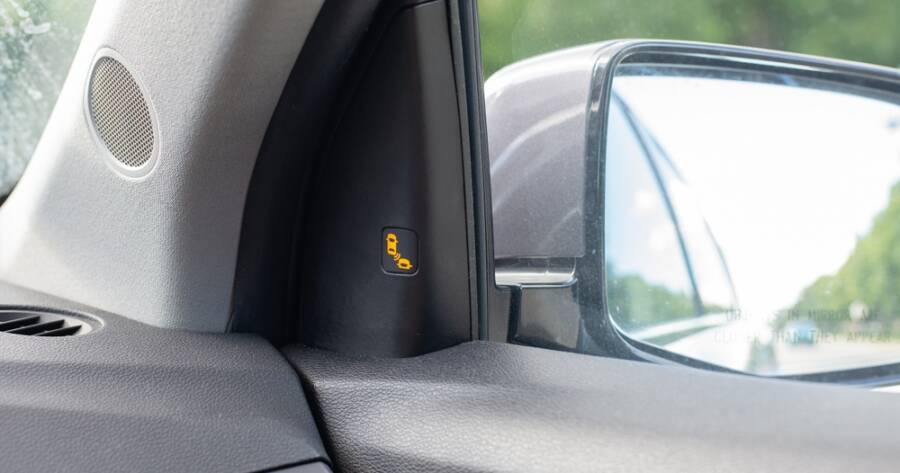
A quick glance in the side mirror doesn’t always reveal everything happening around a vehicle. Hidden areas alongside the car, known as blind spots, can make lane changes risky even for experienced drivers. Modern vehicles address the challenge with technology designed to monitor nearby traffic and provide timely alerts. By combining sensors, cameras, and intelligent software, blind spot monitoring systems help drivers stay aware of surrounding vehicles and reduce the chances of dangerous lane-change collisions.
What Blind Spot Monitoring Systems Are
Blind spot monitoring systems are advanced driver-assistance features designed to detect vehicles that may not be visible in standard mirrors. They act as an extra layer of awareness by monitoring areas alongside and slightly behind the vehicle.
When another vehicle enters a blind spot, the system alerts the driver using visual, audible, or sometimes tactile warnings. Most commonly, a light appears on the side mirror or door frame to indicate a nearby vehicle. Such alerts give drivers a clearer understanding of their surroundings and help prevent unsafe lane changes.
The Sensors and Cameras Behind the Technology
Blind spot monitoring systems rely on sensors and sometimes cameras placed around the vehicle. Radar sensors are commonly mounted in the rear bumper or side panels, where they can scan adjacent lanes for approaching vehicles.
Some modern systems also use side-mounted cameras to enhance detection accuracy. By combining multiple data sources, the system can better identify vehicles traveling alongside or slightly behind. This combination of hardware allows the system to function reliably across different driving conditions and speeds.
How the System Detects Nearby Vehicles
The system continuously scans areas next to the vehicle, typically covering about one lane width on each side. It tracks the speed and position of nearby vehicles to determine whether they pose a potential risk during a lane change.
When a vehicle is detected within the monitored zone, the system activates a warning indicator. Some systems can also detect vehicles approaching from behind at higher speeds. By analyzing movement patterns, the technology provides early warnings that give drivers more time to react safely.
Types of Alerts Drivers Receive
Blind spot monitoring systems communicate with drivers using a variety of alerts. The most common is a visual indicator, usually a small light on the side mirror that illuminates when another vehicle is detected.
If the driver signals a lane change while a vehicle is present, the system often escalates the warning. Audible alerts, steering wheel vibrations, or flashing lights may be used to grab attention quickly. Such layered alerts ensure that drivers receive clear and timely information, even in busy traffic conditions.
Advanced Features and System Integration
Some modern blind spot monitoring systems go beyond simple alerts and actively assist the driver. In certain vehicles, the system can apply gentle steering corrections or braking to help prevent a lane-change collision.
Blind spot monitoring is often integrated with other safety features such as rear cross-traffic alert and lane-keeping assist. By sharing sensor data across systems, vehicles can provide more comprehensive protection. Such integration enhances overall safety by combining awareness, warning, and limited intervention capabilities.
Limitations Drivers Should Understand
While blind spot monitoring systems are highly useful, they are not perfect. Sensors may struggle to detect smaller objects like motorcycles or bicycles in certain situations, depending on system design.
Environmental factors such as rain, snow, or dirt can also interfere with sensor performance. Drivers should continue to check mirrors and perform shoulder checks before changing lanes. Understanding system limitations ensures that technology is used as a helpful aid rather than a replacement for attentive driving.
A Smarter Way to Stay Aware on the Road
Blind spot monitoring systems have become an essential feature in modern vehicles, offering added confidence during lane changes and highway driving. By detecting vehicles that might otherwise go unnoticed, the system helps reduce stress and improve awareness behind the wheel.
As automotive technology continues to evolve, blind spot monitoring is becoming more advanced, with features like steering assistance and improved detection accuracy. Drivers who understand how the system works can use it more effectively, especially in heavy traffic where quick decisions matter.
Even with advanced technology, safe driving habits remain essential. Checking mirrors, staying alert, and being aware of surroundings are still critical. When used alongside attentive driving, blind spot monitoring becomes a powerful tool that enhances safety and helps create a more confident driving experience.