
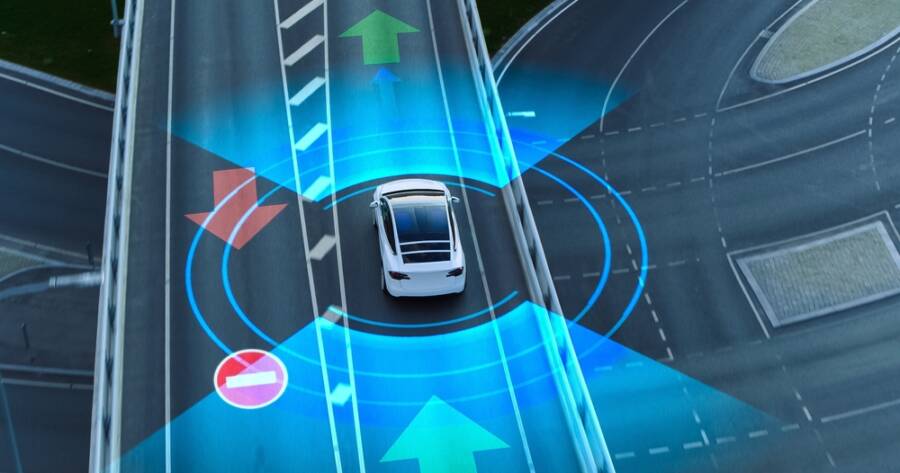
Modern vehicles are equipped with advanced technologies designed to improve safety and reduce the risk of accidents. Sensors, cameras, and intelligent software now work together to monitor traffic conditions and assist drivers in real time. Many of modern innovations operate quietly in the background, providing alerts or small corrections when needed. As automotive technology continues to evolve, safety systems are becoming more capable of preventing collisions and helping drivers stay aware of their surroundings.
Blind Spot Monitoring Systems
Blind spots have long been a challenge for drivers, especially when changing lanes on busy highways. Even with properly adjusted mirrors, certain areas around a vehicle remain difficult to see. Blind spot monitoring systems help address this problem using sensors mounted around the car.
When another vehicle enters the blind spot area, the system alerts the driver through visual indicators on the side mirrors or dashboard. Some systems also provide audible warnings or steering wheel vibrations. This additional awareness helps drivers avoid lane-change collisions, particularly in heavy traffic or when larger vehicles block visibility.
Adaptive Cruise Control
Traditional cruise control allows drivers to maintain a steady speed, but adaptive cruise control adds an important safety layer. This system uses radar and cameras to monitor the distance between the vehicle and traffic ahead.
If the car in front slows down, adaptive cruise control automatically reduces speed to maintain a safe following distance. When traffic begins moving again, the system gradually accelerates back to the preset speed. This technology helps reduce the risk of rear-end collisions while also making highway driving less stressful during long trips.
Lane Departure Warning and Lane Keeping Assist
Maintaining proper lane position is essential for safe driving, especially during long highway journeys. Lane departure warning systems use cameras to detect lane markings on the road and monitor the vehicle’s position within the lane.
If the vehicle begins drifting without a turn signal, the system alerts the driver through sounds, dashboard indicators, or vibrations. Lane keeping assist takes the concept further by gently steering the vehicle back toward the center of the lane if the driver does not respond. This added layer of assistance helps prevent accidental lane departures caused by distraction or fatigue.
Automatic Emergency Braking
Automatic emergency braking represents one of the most important safety innovations in modern vehicles. This technology uses sensors and cameras to detect potential collisions with vehicles, pedestrians, or other obstacles.
When the system identifies an imminent crash risk, it first warns the driver to take action. If the driver does not respond quickly enough, the system can automatically apply the brakes to reduce impact speed or avoid the collision entirely. By reacting faster than human reflexes alone, automatic emergency braking helps protect both vehicle occupants and nearby road users.
Rear Cross Traffic Alert
Parking lots and driveways can present visibility challenges when reversing. Vehicles approaching from the side may be difficult to see due to parked cars or other obstacles. Rear cross-traffic alert systems help solve this problem.
Using sensors located near the rear bumper, the system scans for approaching vehicles, cyclists, or pedestrians while the car is backing up. If movement is detected, the driver receives a warning through visual or audible signals. This feature greatly improves safety in crowded parking areas where visibility is limited.
Vehicle Monitoring and Diagnostic Systems
Modern cars are equipped with intelligent monitoring systems that track important mechanical components. Sensors continuously monitor fluid levels, engine conditions, and brake performance to ensure the vehicle is operating safely.
If a problem is detected, the system alerts the driver through warning lights or dashboard messages. Early warnings can prevent mechanical failures that might otherwise lead to dangerous driving situations. By helping drivers address maintenance issues early, diagnostic systems contribute to overall vehicle safety and reliability.
Technology That Helps Protect Every Journey
Automotive safety technology has advanced dramatically over the past decade. Many of the systems found in modern vehicles work together to monitor surroundings, warn drivers of potential hazards, and even intervene when necessary.
While technology cannot replace attentive driving, it provides valuable support that can prevent accidents and reduce injuries. As vehicle manufacturers continue improving sensors, cameras, and intelligent software, safety systems will likely become even more effective at protecting drivers, passengers, and everyone sharing the road.