
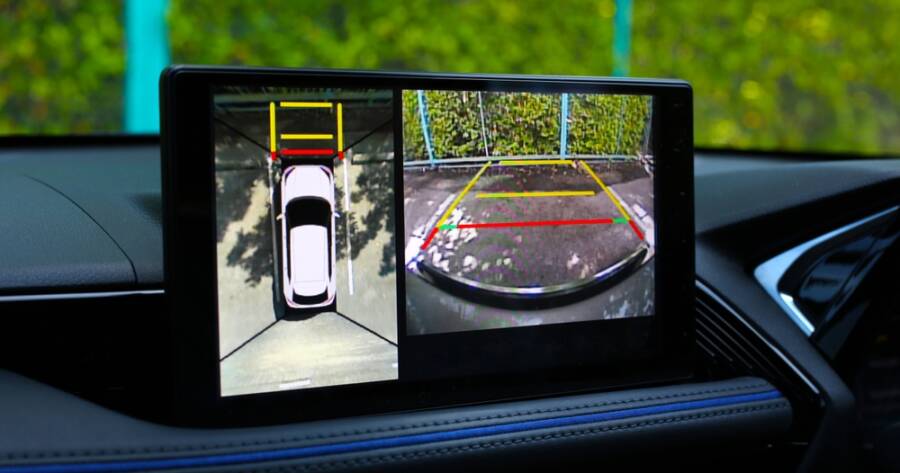
Parking and maneuvering in tight spaces can be challenging, especially in crowded parking lots or urban environments. Modern vehicles now include advanced camera systems designed to improve visibility around the car. Backup cameras and 360-degree view systems provide drivers with real-time images that reveal areas often hidden from mirrors or direct sight. By combining cameras, sensors, and intelligent software, modern technologies help drivers detect obstacles, park more accurately, and reduce the risk of low-speed collisions.
How Backup Cameras Improve Rear Visibility
Backup cameras are designed to show drivers what is happening directly behind the vehicle when reversing. A small camera mounted near the rear bumper or trunk sends live video to a display screen inside the car. This view helps reveal obstacles, pedestrians, or other vehicles that may not be visible through mirrors alone.
When the vehicle is shifted into reverse, the camera activates automatically and displays the rear view on the dashboard screen or rearview mirror display. Many systems include guidelines that indicate distance and the projected vehicle path. By offering a clearer look at the space behind the car, backup cameras help drivers reverse more safely and avoid common parking accidents.
The Role of Wide-Angle Camera Lenses
Cameras used in vehicle safety systems rely on wide-angle lenses to capture as much of the surrounding area as possible. A standard camera lens would show only a narrow portion of the road, but wide-angle designs expand the field of view significantly.
This expanded perspective allows drivers to see objects approaching from either side while reversing. The camera can capture areas that would otherwise remain hidden behind the vehicle. Although wide-angle lenses can sometimes create slight distortion, advanced software corrects the image to ensure the display remains clear and useful for drivers during parking maneuvers.
Sensors That Work Alongside Cameras
Many backup camera systems are paired with proximity sensors located in the vehicle’s bumpers. These sensors detect objects behind or around the vehicle and provide alerts when something gets too close. Drivers may hear warning beeps that increase in frequency as the vehicle approaches an obstacle.
Some systems also include rear cross-traffic alerts that monitor movement from the sides when backing out of parking spaces. If another car or cyclist approaches, the system warns the driver immediately. By combining visual camera feeds with sensor-based alerts, vehicles provide multiple layers of awareness during low-speed maneuvers.
How 360-Degree Camera Systems Create a Bird’s-Eye View
Surround-view camera systems take visibility even further by providing a full overhead image of the vehicle and its surroundings. Instead of relying on a single camera, several cameras are placed around the vehicle, typically at the front, rear, and under the side mirrors.
Each camera captures video from a different angle. Advanced image-processing software then stitches the feeds together to create a seamless top-down view displayed on the infotainment screen. The final image appears as though a camera is hovering above the vehicle, allowing drivers to see nearby objects, curbs, or parking lines with remarkable clarity.
Image Processing and Real-Time Rendering
Creating a smooth 360-degree image requires powerful image-processing technology. The vehicle’s computer analyzes footage from multiple cameras, corrects lens distortion, and aligns the images based on the vehicle’s exact dimensions.
Once the images are aligned, the software blends the overlapping areas and renders a unified view in real time. This process happens continuously while the vehicle is moving at low speeds. Drivers can often switch between different angles on the display, such as front, rear, or side views, giving them greater control and awareness when navigating tight spaces.
Integration With Advanced Driver Assistance Systems
Backup and surround-view cameras often work alongside other driver assistance technologies. Systems such as automatic parking assistance, blind-spot monitoring, and pedestrian detection rely on camera data to improve accuracy and safety.
For example, some vehicles use camera input to guide the steering wheel during automated parking maneuvers. Others combine camera footage with radar sensors to identify moving objects around the vehicle. When integrated with broader safety systems, camera technology becomes part of a larger network designed to help drivers avoid collisions and maneuver with greater confidence.
A Clearer View for Safer Parking and Maneuvering
Camera technology has transformed how drivers handle reversing and parking situations. By providing detailed views of areas that were once difficult to see, backup cameras and surround-view systems reduce blind spots and improve awareness around the vehicle.
As vehicles continue to adopt more advanced safety features, camera systems will likely become even more sophisticated. Higher-resolution imaging, improved sensors, and smarter processing software will further enhance visibility and precision, helping drivers navigate tight spaces safely and with greater confidence.