
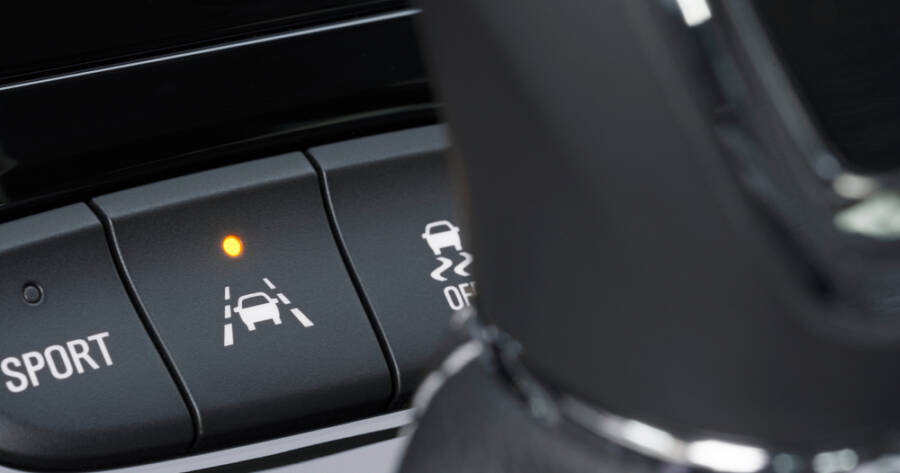
Staying within the correct lane is one of the most fundamental aspects of safe driving. However, fatigue, distraction, or poor visibility can sometimes cause a vehicle to drift unintentionally. Modern vehicles now include technology designed to monitor lane position and alert drivers before a potential mistake becomes dangerous. Lane departure warning and lane-keeping assist systems use cameras and intelligent software to detect lane markings and provide guidance, helping drivers maintain safer positioning while traveling on highways and busy roads.
What Lane Departure Warning Systems Do
Lane departure warning (LDW) systems are designed to alert drivers when a vehicle begins drifting out of its lane without signaling. The technology focuses on detecting unintended movement that could lead to a collision with another vehicle or roadside object.
When the system senses that the vehicle is approaching or crossing lane markings, it immediately provides an alert. This notification may appear as a dashboard warning, a sound, or a vibration in the steering wheel or seat. The goal is to draw the driver’s attention back to the road so they can correct the vehicle’s position before a dangerous situation develops.
The Difference Between Warning and Steering Assistance
Lane departure warning systems and lane-keeping assist technologies are closely related but serve different roles. Lane departure warning simply notifies the driver when the vehicle drifts outside the lane. It does not physically intervene in steering.
Lane-keeping assist adds another level of support by gently guiding the vehicle back toward the center of the lane. When the system detects drifting movement, it can apply small steering inputs to help correct the path. This steering support is subtle and designed to assist rather than replace driver control. The driver remains fully responsible for maintaining direction and attention.
Cameras That Detect Lane Markings
Both LDW and lane-keeping assist systems rely primarily on forward-facing cameras mounted near the windshield. These cameras continuously scan the road ahead and identify lane markings on either side of the vehicle.
The system’s computer analyzes the camera feed to determine the vehicle’s position relative to the lane boundaries. If the vehicle moves too close to one side without a turn signal, the system interprets the movement as an unintended departure. By tracking lane lines in real time, the technology can provide immediate alerts or steering assistance when needed.
Alerts That Capture the Driver’s Attention
When a lane departure is detected, the system delivers alerts designed to quickly regain the driver’s focus. Different vehicles use different methods, but most rely on a combination of visual, audible, and tactile signals.
Visual alerts often appear on the instrument panel or head-up display. Audible warnings may include beeps or chimes that signal a potential problem. Some vehicles use haptic feedback, such as steering wheel vibration or seat vibration, to simulate the feeling of driving over rumble strips. This variety of alerts ensures that drivers notice the warning even if they miss one type of signal.
Benefits for Highway Driving and Fatigue Reduction
Lane monitoring systems are particularly helpful during long highway trips where driver fatigue may develop over time. Maintaining lane position for extended periods can become tiring, especially on straight roads with minimal traffic.
Lane departure warning and lane-keeping assist provide an extra layer of monitoring that helps drivers stay attentive. If fatigue causes momentary drifting, the system quickly alerts the driver or gently guides the vehicle back into position. This assistance helps reduce the risk of sideswipe collisions, head-on crashes, or running off the road due to inattention.
Limitations Drivers Should Understand
Although lane assistance technologies are helpful safety features, they do not replace active driver involvement. The systems depend on visible lane markings to function properly. Poor road conditions, faded paint, heavy rain, or snow can make it difficult for cameras to detect lane boundaries.
Drivers must remain attentive and keep their hands on the steering wheel while using these features. The systems are designed to assist rather than take over driving responsibilities. Treating them as supportive tools instead of fully automated systems ensures they provide the greatest safety benefit on the road.
Technology That Supports Safer Lane Control
Lane departure warning and lane-keeping assist represent important steps in the development of modern driver-assistance technology. By monitoring lane position and alerting drivers to unintended movement, the systems help prevent common accidents caused by drifting or distraction.
As camera technology and vehicle software continue to improve, lane-monitoring systems will likely become even more accurate and responsive. When combined with attentive driving habits, this technology adds valuable protection that helps drivers maintain safer control of their vehicles during everyday travel.