
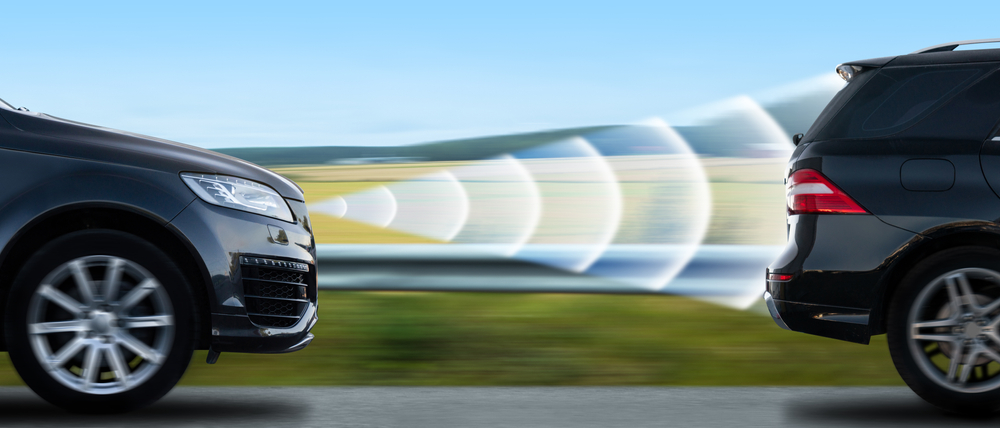
Adaptive cruise control has become one of the most useful driver-assistance technologies found in modern vehicles. Building on traditional cruise control, the system not only maintains a set speed but also adjusts automatically when traffic conditions change. Using sensors and intelligent software, the vehicle can slow down or accelerate to maintain a safe distance from the car ahead. As automotive technology advances, adaptive cruise control is helping drivers experience smoother highway travel and reduced fatigue during longer journeys.
Understanding the Basics of Adaptive Cruise Control
Adaptive cruise control is an advanced version of traditional cruise control that helps maintain a steady speed while also monitoring traffic ahead. Instead of simply holding one set speed, the system automatically adjusts the vehicle’s pace to match surrounding traffic.
When a driver activates adaptive cruise control, they set both a cruising speed and a preferred following distance. If another vehicle enters the lane ahead and travels more slowly, the system reduces speed to maintain the selected gap. Once the road clears again, the vehicle smoothly accelerates back to the original speed. This ability to adapt to changing traffic conditions makes driving more comfortable and less stressful.
The Sensors That Make the System Possible
Adaptive cruise control relies on a combination of sensors to monitor vehicles in front. Most systems use radar technology mounted in the front grille or bumper to detect objects ahead and measure distance accurately.
Many modern vehicles also incorporate cameras or laser-based sensors to enhance detection. Radar determines how far away another vehicle is and how fast it is moving relative to your car. Cameras help identify lane markings and objects more precisely. By combining information from multiple sensors, the system builds a clearer picture of traffic conditions and determines how the vehicle should respond.
Maintaining a Safe Following Distance
One of the key features of adaptive cruise control is the ability to maintain a safe following distance. Drivers can typically choose between several distance settings, often displayed as short, medium, or long gaps between vehicles.
Once the distance is set, the system constantly monitors the space between your vehicle and the one ahead. If the gap begins to shrink, adaptive cruise control gently reduces speed by easing off the accelerator or applying the brakes. When the distance increases again, the vehicle resumes its previous speed. This automatic adjustment helps prevent tailgating and allows drivers to maintain safer spacing in traffic.
Handling Traffic Slowdowns and Stop-and-Go Driving
Many modern adaptive cruise control systems are capable of operating in stop-and-go traffic, too. When vehicles ahead slow significantly or come to a stop, the system can gradually reduce speed and sometimes bring the vehicle to a complete halt.
Once traffic begins moving again, some systems automatically accelerate back to the set speed, while others require a brief press of the accelerator or a steering-wheel button. This functionality is particularly useful during heavy traffic conditions, where drivers would otherwise need to constantly accelerate and brake. By managing speed adjustments automatically, adaptive cruise control helps reduce fatigue in congested driving environments.
The Difference Between Adaptive and Traditional Cruise Control
Traditional cruise control keeps a vehicle traveling at a fixed speed until the driver presses the brake or accelerator. While useful for long highway drives, it does not respond to slower traffic ahead.
Adaptive cruise control builds on the same concept but adds the ability to detect and react to surrounding vehicles. Instead of forcing the driver to constantly disengage and reset the system, adaptive cruise control handles speed adjustments automatically. This makes it far more practical in real-world driving situations where traffic speeds frequently change.
Limitations Drivers Should Understand
Although adaptive cruise control is highly useful, it is not a fully autonomous driving system. Drivers must remain attentive and ready to take control at any time. Sudden lane changes by other vehicles or rapidly slowing traffic can sometimes require manual intervention.
Weather conditions such as heavy rain, fog, or snow may also interfere with sensor performance. Dirt or debris covering the sensors can reduce accuracy as well. For this reason, adaptive cruise control should always be viewed as a helpful assistance feature rather than a replacement for active driver awareness.
Technology That Makes Long Drives Easier
Adaptive cruise control represents a significant step forward in driver-assistance technology. By adjusting speed automatically and maintaining a safe distance from surrounding vehicles, the system helps reduce stress during highway travel and heavy traffic conditions.
As vehicles continue to incorporate smarter sensors and more advanced software, systems like adaptive cruise control are becoming increasingly refined. When used properly alongside attentive driving, this technology can make everyday travel smoother, safer, and more comfortable for drivers and passengers alike.