
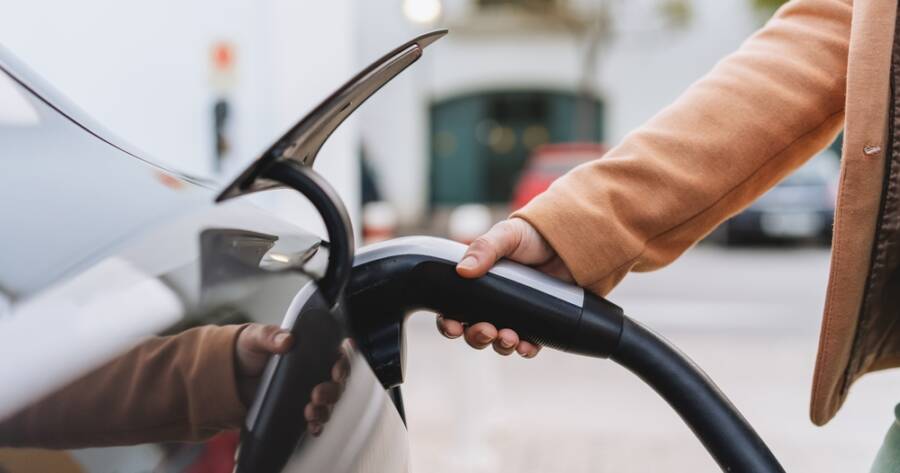
Everyday driving has changed. Many shoppers now weigh hybrids and electric vehicles alongside traditional gas cars, hoping to cut fuel stops and lower routine upkeep without sacrificing convenience. Both options use electric motors, deliver smooth acceleration, and can feel surprisingly quiet on the road. The big difference is how often a gas engine gets involved, sometimes as a partner, sometimes not at all. Choosing the best fit comes down to driving patterns, charging access, and comfort with new technology.
What a Hybrid Car Is and How It Works
A hybrid (often called a hybrid electric vehicle) pairs a gasoline engine with one or more electric motors and a small battery pack. The system decides when to use electric power, gas power, or a blend of both. During braking, many hybrids recapture energy through regenerative braking, sending power back into the battery rather than wasting it as heat.
Traditional hybrids don’t require plugging in. You drive normally and refuel at a gas station, while the vehicle manages charging and power delivery behind the scenes. This setup can be especially helpful in stop-and-go traffic, where regenerative braking and electric assist can improve efficiency during frequent starts and stops.
Plug-In Hybrids and the “Best of Both” Approach
A plug-in hybrid (PHEV) builds on the standard hybrid idea by using a larger battery and adding a charging port. When fully charged, a PHEV can handle shorter trips using electric-only power, then switch to gas operation once the battery charge drops. For many drivers, this can mean that most errands and commuting happen quietly on electricity, with gasoline reserved for longer journeys.
A plug-in hybrid fits best when regular charging is convenient. Without consistent charging, the vehicle may carry extra battery weight without gaining much electric benefit. Still, the built-in gas engine can ease anxiety for drivers who want electric driving for daily use while keeping the flexibility to take spontaneous road trips without planning charging stops.
What an Electric Car Is and What Makes It Different
An electric vehicle (EV), often called a battery-electric vehicle, runs only on electricity. There’s no gasoline engine, which means power comes from a battery pack feeding one or more electric motors. EVs are known for instant torque, quick response, and a smooth, quiet driving feel that many drivers find addictive.
Because EVs rely on charging instead of refueling, daily convenience often depends on charging access. That said, home charging can make ownership feel simple—plugging in overnight and starting the day with a charged battery. Public charging expands flexibility, but planning and availability can matter more for drivers who travel long distances frequently.
Similarities That Matter for Everyday Driving
Hybrids, plug-in hybrids, and EVs share a few key traits that can make them appealing for daily use. Many offer regenerative braking, which can improve efficiency and reduce brake wear over time. Electric motors also deliver smooth power, which can make city driving feel less stressful and more responsive.
Another similarity is modern technology. Electrified models often arrive with strong driver-assistance features and updated infotainment systems, though offerings vary by trim and brand. Many drivers also notice less engine noise in electrified vehicles, particularly at lower speeds. The result is a driving experience that can feel calmer and more refined during routine commuting and errands.
Key Differences in Refueling, Range, and Maintenance
The biggest everyday difference is the energy source and how it’s replenished. A traditional hybrid refuels like any gas car and never needs a plug. A plug-in hybrid uses both: charge when possible, refuel when needed. An EV depends on charging, which can be easy with home access but less convenient without it.
Maintenance patterns differ as well. Hybrids still have a gasoline engine, so they typically require many familiar services, though some wear items may last longer due to regenerative braking. EVs skip engine-related maintenance like oil changes, but they introduce EV-specific considerations like charging habits and battery care. For many drivers, the best choice is the one that fits daily routines without creating extra friction.
Tips to Choose the Right Option for Your Lifestyle
Driving patterns often decide the winner. For drivers with unpredictable schedules, frequent long trips, or limited charging access, a traditional hybrid can deliver better efficiency without requiring lifestyle changes. For drivers with a reliable place to charge and a commute that fits within electric range, a plug-in hybrid can provide electric driving most days while keeping gas backup for longer travel.
An EV can be an excellent match for drivers who can charge at home or at work and prefer an all-electric experience with fewer routine engine-related services. It also helps to think about climate, parking situation, and road-trip habits. The most satisfying option is the one that feels easy to live with on busy weekdays, not just on a perfect test-drive afternoon.
Matching Your Daily Routine to the Right Powertrain
Hybrids, plug-in hybrids, and electric vehicles each solve the “everyday driver” puzzle in a different way. A hybrid keeps fueling simple while improving efficiency. A plug-in hybrid adds meaningful electric driving without removing the gas safety net. An EV delivers a fully electric experience that can feel smooth, quiet, and refreshingly low-maintenance for many routines.
The best decision usually comes from a quick lifestyle audit: where the car sleeps at night, how far typical trips run, and how often long drives happen without notice. When the powertrain matches real habits, the vehicle becomes easier to enjoy and easier to keep for the long haul.