

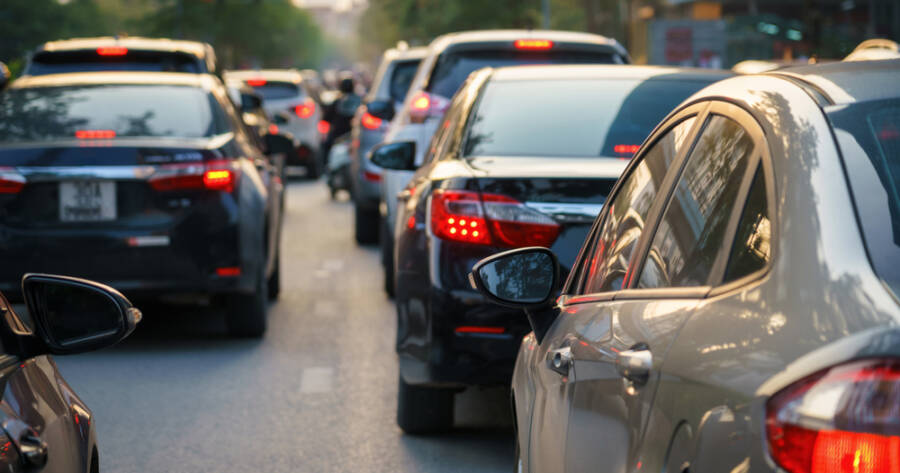
Heavy traffic, sudden braking, and distracted drivers create dangerous situations. One small mistake behind the wheel can quickly lead to a rear-end collision when vehicles travel too closely together. Safe following distance gives drivers valuable time to react, brake smoothly, and avoid hazards before a crash happens. Many motorists underestimate how quickly stopping distance changes with speed, weather, and traffic conditions. Leaving enough space between vehicles remains one of the most important habits for preventing accidents and protecting everyone on the road.
Why Following Distance Plays Such a Big Role in Safety
Following distance refers to the amount of space between your vehicle and the one ahead of you. That space gives drivers time to recognize problems and respond safely before a collision occurs. Without enough distance, even attentive drivers may struggle to stop in time if traffic suddenly slows or an obstacle appears in the roadway.
Rear-end collisions often happen because drivers underestimate reaction time. Human reflexes are not instant, especially during stressful situations. Drivers need time to notice a hazard, move their foot toward the brake pedal, and slow the vehicle safely. Safe spacing also improves visibility farther down the road, helping drivers anticipate traffic flow and avoid sudden panic braking during congestion or emergencies.
Understanding the Three-Second Rule
The three-second rule is one of the easiest ways to measure safe following distance during normal driving conditions. Drivers can choose a roadside object, such as a sign or tree, and count how many seconds pass between the vehicle ahead crossing it and their own vehicle reaching the same point. If fewer than three seconds pass, more space is needed.
Unlike measuring distance in feet or car lengths, the three-second rule adjusts naturally to vehicle speed. Faster speeds require greater stopping time, so using seconds creates a more accurate safety buffer. Many driving safety organizations recommend at least three seconds under ideal conditions. Drivers should increase that gap further when visibility drops, traffic becomes unpredictable, or road surfaces become slippery from rain or snow.
Weather and Road Conditions Change Stopping Distance
Rain, fog, snow, and ice can dramatically reduce tire traction and increase braking distance. A following gap that feels safe on a dry highway may become dangerously short during bad weather. Wet pavement reduces grip, while icy roads can cause vehicles to slide even after brakes are applied carefully.
Drivers should double or even triple following distance during poor weather conditions. Extra spacing allows more time for gradual braking and smoother reactions when visibility decreases. Heavy rain can also make it harder to judge vehicle speed and road conditions accurately. Slowing down and increasing space between vehicles gives drivers more control and reduces the chances of chain-reaction crashes during storms or winter driving situations.
Larger Vehicles Need Even More Space
Trucks, SUVs, vehicles towing trailers, and heavily loaded cars all require longer stopping distances than smaller passenger vehicles. Extra weight increases momentum, making it harder for the brakes to slow the vehicle quickly. Commercial truck drivers especially rely on larger following gaps because their vehicles may need hundreds of feet to stop safely at highway speeds.
Drivers towing campers or boats should also increase the following distance significantly. Trailers can affect stability and braking response, especially during downhill driving or sudden lane changes. Leaving extra space provides more room to react calmly without swerving or braking aggressively. Safe spacing matters even more when driving large vehicles because smaller mistakes can create far more serious consequences during emergencies.
Tailgating Creates Unnecessary Risks
Tailgating remains one of the most aggressive and dangerous driving habits on modern roads. Following too closely leaves little room for error and often pressures other drivers into making rushed decisions. Even a momentary distraction can lead to a collision when vehicles travel only a few feet apart at highway speeds.
Traffic congestion often encourages impatient driving, but aggressive behavior rarely saves meaningful time. Instead, tailgating increases stress levels and raises accident risk for everyone nearby. Drivers who feel pressured by tailgaters should remain calm, maintain a steady speed, and avoid sudden braking. Allowing aggressive drivers to pass safely is usually the best response. Defensive driving focuses on reducing risk, not competing with impatient motorists during heavy traffic conditions.
Distracted Driving Reduces Reaction Time
Even a safe following distance may not provide enough protection if a driver becomes distracted. Looking at a phone, adjusting navigation, eating, or reaching for objects inside the vehicle can delay reaction time significantly. A few seconds of distraction at highway speed covers a surprising amount of roadway without full attention on traffic ahead.
Drivers should think of following distance as part of a larger safety strategy. Space between vehicles works best when combined with alert, focused driving habits. Staying attentive helps drivers recognize brake lights, merging traffic, and sudden slowdowns sooner. Avoiding distractions and maintaining proper spacing together creates a much safer driving environment, especially during rush hour traffic or long-distance highway travel.
A Few Extra Seconds Can Prevent Major Accidents
Safe following distance may not seem exciting, but it plays a major role in preventing crashes every single day. Drivers who leave enough space gain more time to react calmly, brake smoothly, and avoid dangerous situations before they escalate. Small adjustments behind the wheel can dramatically improve safety for passengers, pedestrians, and surrounding vehicles.
Patience is one of the most valuable driving skills on the road. Rushing, tailgating, and distracted driving often create unnecessary risks that lead to expensive repairs, injuries, or worse. Leaving a few extra seconds between vehicles costs very little time but provides major safety benefits. Good spacing allows drivers to stay in control, reduce stress, and handle unexpected traffic situations with far greater confidence.