

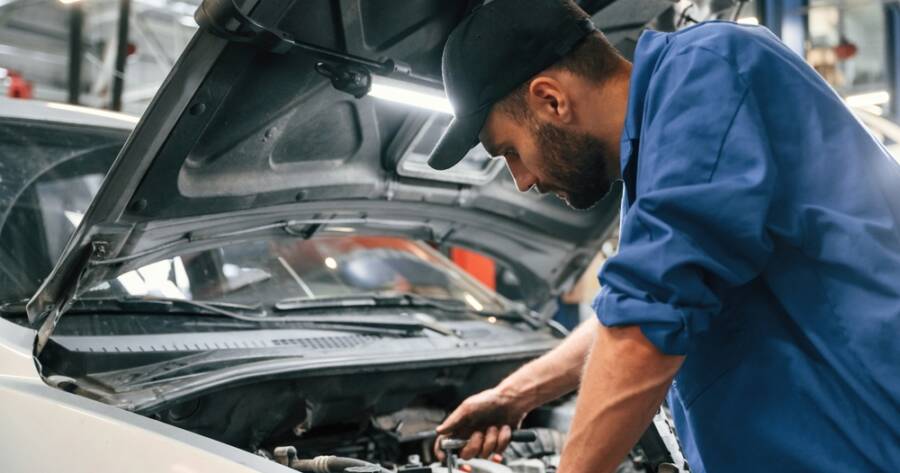
A vehicle can feel dependable for years, which makes routine maintenance easy to postpone or overlook. Many drivers assume small issues can wait until the next service appointment, but minor neglect often leads to expensive repairs and unnecessary breakdowns. Good maintenance habits protect more than just a car’s performance. They also improve fuel economy, extend vehicle lifespan, and help keep drivers safe on the road. Simple oversights repeated over time can quietly create major mechanical problems that cost far more than preventative care ever would.
Ignoring Dashboard Warning Lights for Too Long
Many drivers continue operating their vehicles after warning lights appear because the car still seems to run normally. Unfortunately, ignoring a check engine light or other dashboard alerts can allow small issues to grow into expensive repairs. Modern vehicles rely on sensors to monitor engine performance, emissions, tire pressure, and other important systems. Warning lights exist to catch problems early before they worsen.
Strange noises, vibrations, or burning smells should also never be ignored. Drivers know their vehicles better than anyone else, so unusual behavior often signals trouble before a warning light even appears. Scheduling an inspection quickly can prevent larger mechanical failures later. Waiting too long may turn a simple repair into a major engine or transmission problem that costs thousands of dollars.
Skipping Oil Changes and Fluid Inspections
Oil changes remain one of the most important maintenance services for any vehicle. Motor oil lubricates engine components, reduces heat, and helps prevent internal wear. When oil becomes old or contaminated, it loses effectiveness and can create sludge buildup inside the engine. Skipping routine oil changes may shorten engine life and eventually lead to severe mechanical damage.
Many drivers also forget about other important fluids. Brake fluid, coolant, transmission fluid, and power steering fluid all require regular inspection and replacement according to manufacturer recommendations. Low or dirty fluids can reduce performance and create dangerous driving conditions. A quick fluid inspection during regular maintenance visits helps identify leaks, overheating risks, or system wear before larger issues develop.
Neglecting Tire Pressure and Tire Rotation
Tires affect safety, fuel economy, braking, and handling, yet many drivers rarely check them properly. Low tire pressure can reduce fuel efficiency, create uneven tread wear, and increase the risk of blowouts. Temperature changes often cause pressure fluctuations, especially during seasonal weather shifts. Even tires that appear normal may still be underinflated.
Tire rotation is another commonly ignored service. Front and rear tires wear differently depending on vehicle weight distribution and driving habits. Rotating tires regularly promotes even wear and helps extend tire life. Drivers who skip rotations may end up replacing tires sooner than expected. Proper wheel alignment also matters because misaligned wheels can cause steering issues, uneven tread wear, and reduced driving stability at higher speeds.
Delaying Brake Maintenance Until Problems Get Worse
Brake systems naturally wear down over time, but many drivers wait too long before replacing worn brake pads or inspecting brake components. Squealing, grinding, or vibrating while braking often signals that service is overdue. Ignoring warning signs may damage rotors and other brake hardware, increasing repair costs significantly.
Routine brake inspections help identify wear before safety becomes compromised. Brake fluid should also remain clean and properly filled because hydraulic pressure plays a major role in braking performance. Drivers sometimes assume brakes only matter during emergencies, but daily stopping power affects every trip. Maintaining healthy brakes improves vehicle control and reduces the risk of accidents caused by delayed stopping distances or sudden brake failure.
Attempting Repairs Without Proper Knowledge or Tools
Online tutorials have encouraged many drivers to attempt vehicle repairs at home. While basic maintenance like replacing wiper blades or air filters is manageable for many people, more complex repairs require specialized tools and technical knowledge. Modern vehicles rely heavily on computerized systems and sensors that can be difficult to diagnose correctly without professional equipment.
Improper repairs can create larger mechanical issues or even compromise vehicle safety. Installing incorrect parts, over-tightening components, or misdiagnosing problems may lead to expensive follow-up repairs later. Professional technicians understand manufacturer specifications and use diagnostic equipment designed for modern vehicles. Paying for expert service upfront often saves money compared to fixing mistakes caused by incomplete or incorrect repairs.
Forgetting About Small Maintenance Items
Minor maintenance tasks are often overlooked because they don’t seem urgent. Windshield wipers, air filters, and cabin filters may appear unimportant compared to engine or brake repairs, but they still affect safety and comfort. Worn wiper blades can reduce visibility during rain or snow, increasing accident risk during poor weather conditions.
Dirty filters can also reduce airflow, lower fuel efficiency, and place unnecessary strain on vehicle systems. Even simple habits like using improper cleaning products may create damage over time. Household glass cleaners containing ammonia, for example, can damage rear defroster lines on some vehicles. Paying attention to smaller maintenance details helps preserve overall vehicle condition and prevents avoidable wear from building gradually over the years.
Better Maintenance Habits Lead to Longer Vehicle Life
Avoiding common maintenance mistakes doesn’t require expert mechanical knowledge. Consistency matters more than perfection. Drivers who follow maintenance schedules, respond quickly to warning signs, and address small issues early usually spend less money over the life of a vehicle. Preventative care protects performance, reliability, and long-term value.
Routine service also creates peace of mind during daily driving. A properly maintained vehicle is less likely to experience unexpected breakdowns, dangerous tire failures, or costly engine problems. Simple habits like checking tire pressure, changing fluids on time, and scheduling inspections regularly can make a major difference. A little attention today often prevents major repair bills tomorrow while helping a vehicle stay dependable for years to come.